


- Afhalen na 1 uur in een winkel met voorraad
- Gratis thuislevering in België vanaf € 30
- Ruim aanbod met 7 miljoen producten
- Afhalen na 1 uur in een winkel met voorraad
- Gratis thuislevering in België vanaf € 30
- Ruim aanbod met 7 miljoen producten




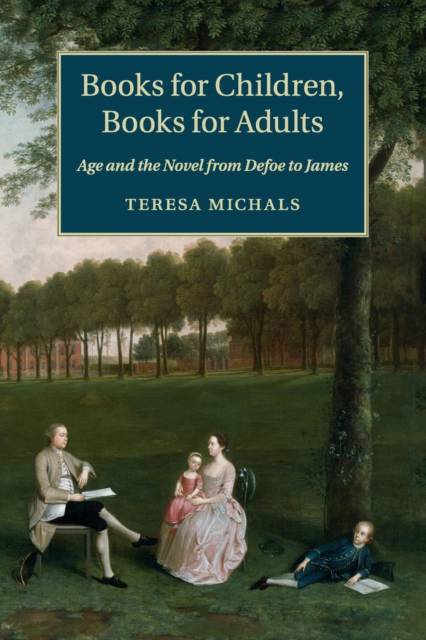
Books for Children, Books for Adults
Age and the Novel from Defoe to James
Teresa Michals
Paperback | Engels
€ 64,95
+ 129 punten
Uitvoering
Omschrijving
In this groundbreaking and wide-ranging study, Teresa Michals explores why some books originally written for a mixed-age audience, such as Daniel Defoe's Robinson Crusoe, eventually became children's literature, while others, such as Samuel Richardson's Pamela, became adult novels. Michals considers how historically specific ideas about age shaped not only the readership of novels, but also the ways that characters are represented within them. Arguing that age is first understood through social status, and later through the ideal of psychological development, the book examines the new determination of authors at the end of the nineteenth century, such as Henry James, to write for an audience of adults only. In these novels and in their reception, a world of masters and servants became a world of adults and children.
Specificaties
Betrokkenen
- Auteur(s):
- Uitgeverij:
Inhoud
- Aantal bladzijden:
- 290
- Taal:
- Engels
Eigenschappen
- Productcode (EAN):
- 9781107649262
- Verschijningsdatum:
- 01/09/2016
- Uitvoering:
- Paperback
- Formaat:
- Trade paperback (VS)
- Afmetingen:
- 152 mm x 229 mm
- Gewicht:
- 390 g


Alleen bij Standaard Boekhandel
+ 129 punten op je klantenkaart van Standaard Boekhandel
AANGERADEN


Beoordelingen
We publiceren alleen reviews die voldoen aan de voorwaarden voor reviews. Bekijk onze voorwaarden voor reviews.