


- Afhalen na 1 uur in een winkel met voorraad
- Gratis thuislevering in België vanaf € 30
- Ruim aanbod met 7 miljoen producten
- Afhalen na 1 uur in een winkel met voorraad
- Gratis thuislevering in België vanaf € 30
- Ruim aanbod met 7 miljoen producten





€ 67,95
+ 135 punten
Uitvoering
Omschrijving
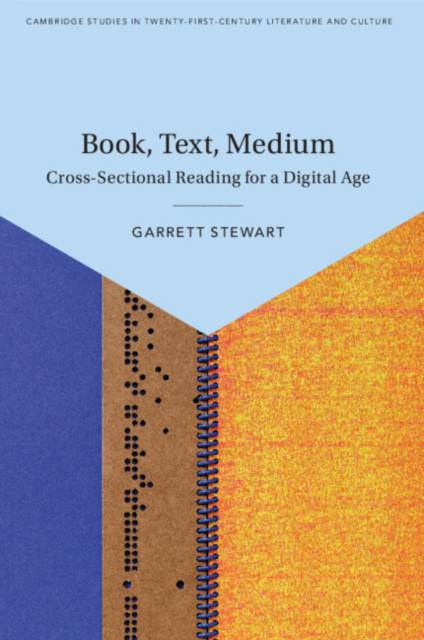
Book, Text, Medium: Cross Sectional Reading for a Digital Age utilizes codex history, close reading, and language philosophy to assess the transformative arc between medieval books and today's e-books. It examines what happens to the reading experience in the twenty-first century when the original concept of a book is still held in the mind of a reader, if no longer in the reader's hand. Leading critic Garrett Stewart explores the play of mediation more generally, as the concept of book moves from a manufactured object to simply the language it puts into circulation. Framed by digital poetics, phonorobotics, and the rising popularity of audiobooks, this study sheds new light on both the history of reading and the negation of legible print in conceptual book art.
Specificaties
Betrokkenen
- Auteur(s):
- Uitgeverij:
Inhoud
- Aantal bladzijden:
- 256
- Taal:
- Engels
- Reeks:
Eigenschappen
- Productcode (EAN):
- 9781108819688
- Verschijningsdatum:
- 19/08/2021
- Uitvoering:
- Paperback
- Formaat:
- Trade paperback (VS)
- Afmetingen:
- 152 mm x 229 mm
- Gewicht:
- 344 g


Alleen bij Standaard Boekhandel
+ 135 punten op je klantenkaart van Standaard Boekhandel
Cadeau

AANGERADEN


Beoordelingen
We publiceren alleen reviews die voldoen aan de voorwaarden voor reviews. Bekijk onze voorwaarden voor reviews.