


- Afhalen na 1 uur in een winkel met voorraad
- Gratis thuislevering in België vanaf € 30
- Ruim aanbod met 7 miljoen producten
- Afhalen na 1 uur in een winkel met voorraad
- Gratis thuislevering in België vanaf € 30
- Ruim aanbod met 7 miljoen producten





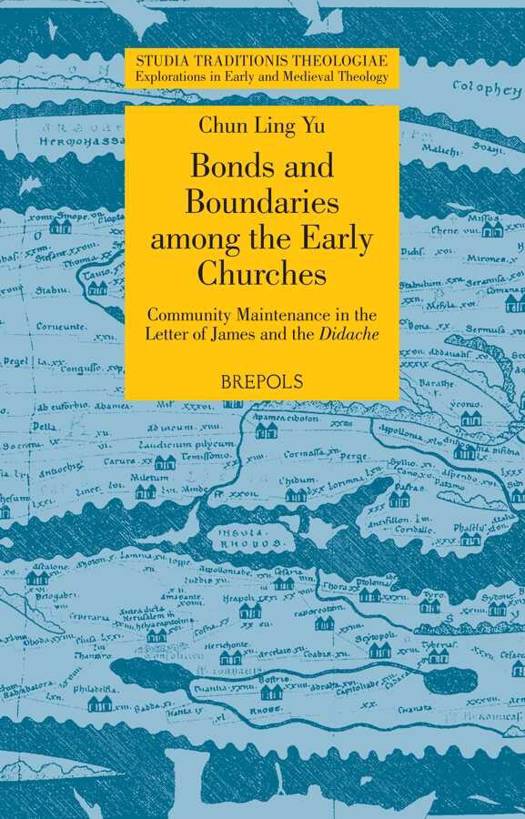
Bonds and Boundaries Among the Early Churches
Community Maintenance in the Letter of James and the Didache
Chun Ling Yu
€ 79,50
+ 159 punten
Omschrijving
This book is a text-based study on social dynamics of early Christian communities. By combining modern social-scientific theories with careful exegesis, it investigates the tensions, especially intra-communal tensions that confronted early communities of Jesus-followers. It contributes to both biblical studies and the understanding of the early church by showing that two early Christian compositions, the letter of James and the Didache reflect similar discords among early Christians, and they show similar concerns for community solidarity. It also offers an analysis of their community maintenance strategies with the frameworks of social identity theory and conflict theories. Through observing both similarities and differences between James and the Didache, it highlights the different perspectives and attitudes of the two compositions on group conflicts and their resolution. This study connects the early Christian communities with the almost-universal human experience of conflict. The application of various social-scientific theories and models enhances the interpretation of the letter of James and the Didache, and provides new insights into the significance of these two writings for the early church as well as for the Christian communities today.
Specificaties
Betrokkenen
- Auteur(s):
- Uitgeverij:
Inhoud
- Aantal bladzijden:
- 313
- Taal:
- Engels
- Reeks:
- Reeksnummer:
- nr. 29
Eigenschappen
- Productcode (EAN):
- 9782503580739
- Verschijningsdatum:
- 15/11/2018
- Uitvoering:
- Paperback
- Formaat:
- Trade paperback (VS)
- Afmetingen:
- 155 mm x 231 mm
- Gewicht:
- 589 g


Alleen bij Standaard Boekhandel
+ 159 punten op je klantenkaart van Standaard Boekhandel
Cadeau

AANGERADEN


Beoordelingen
We publiceren alleen reviews die voldoen aan de voorwaarden voor reviews. Bekijk onze voorwaarden voor reviews.