


- Afhalen na 1 uur in een winkel met voorraad
- Gratis thuislevering in België vanaf € 30
- Ruim aanbod met 7 miljoen producten
- Afhalen na 1 uur in een winkel met voorraad
- Gratis thuislevering in België vanaf € 30
- Ruim aanbod met 7 miljoen producten





€ 74,20
+ 148 punten
Uitvoering
Eenvoudig bestellen
Veilig betalen


Gratis thuislevering vanaf € 30 (via bpost)
Gratis levering in je Standaard Boekhandel
Omschrijving
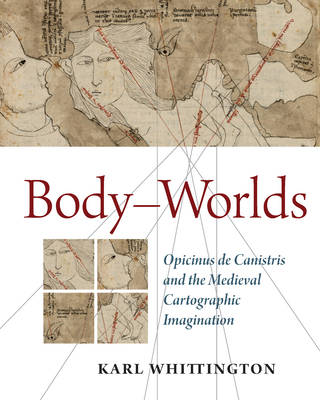
In 1334, an Italian priest named Opicinus de Canistris fell ill and had a divine vision of continents and oceans transformed into human figures which inspired numerous drawings. While they relate closely to contemporary maps and seacharts, religious iconography, medical illustration, and cosmological diagrams, Opicinus's drawings cannot be assimilated to any of these categories. In their beautiful strangeness they complicate many of our assumptions about medieval visual culture, and spark lines of inquiry into the interplay of religion and science, the practice of experimentation, the operations of allegory in the fourteenth century, and ultimately into the status of representation itself.
Specificaties
Betrokkenen
- Auteur(s):
- Uitgeverij:
Inhoud
- Aantal bladzijden:
- 224
- Taal:
- Engels
- Reeks:
- Reeksnummer:
- nr. 186
Eigenschappen
- Productcode (EAN):
- 9780888441867
- Verschijningsdatum:
- 1/01/2014
- Uitvoering:
- Hardcover
- Formaat:
- Genaaid
- Afmetingen:
- 211 mm x 259 mm
- Gewicht:
- 1133 g


Alleen bij Standaard Boekhandel
+ 148 punten op je klantenkaart van Standaard Boekhandel
CADEAU

AANGERADEN


Beoordelingen
We publiceren alleen reviews die voldoen aan de voorwaarden voor reviews. Bekijk onze voorwaarden voor reviews.