


- Afhalen na 1 uur in een winkel met voorraad
- Gratis thuislevering in België vanaf € 30
- Ruim aanbod met 7 miljoen producten
- Afhalen na 1 uur in een winkel met voorraad
- Gratis thuislevering in België vanaf € 30
- Ruim aanbod met 7 miljoen producten





€ 134,45
+ 268 punten
Omschrijving
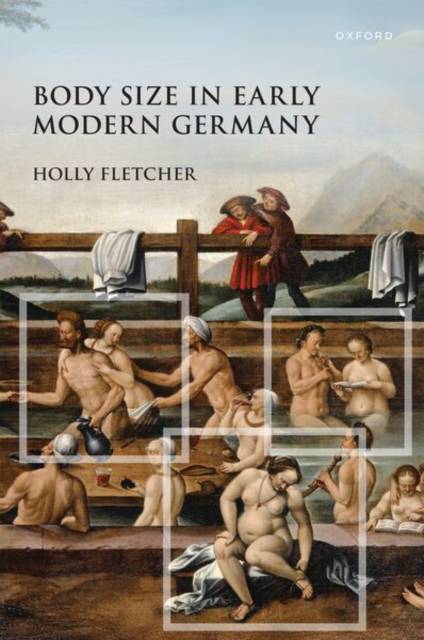
Body Size in Early Modern Germany uncovers the significance of fatness and thinness in early modern German society and culture. It explores how early modern people conceived of fat and thin bodies, in terms of both the cultural meanings attached to body size and personal perceptions of the body. Holly Fletcher argues that body size became an increasingly prominent concern throughout the German-speaking regions from the late-fifteenth to the early-seventeenth century. During this period, perceptions and practices relating to body size shifted dramatically, as the size and shape of people's bodies attracted unprecedented attention. Body size became embedded in everyday habits and experiences like never before. This transformation took place against the backdrop of profound social, religious and cultural developments which characterised the sixteenth century. Drawing on a wide array of sources, the book charts changing attitudes towards body size in relation to these developments, including the proliferation of printed medical advice, artistic theories of proportion, Reformation debates, and new body-moulding fashions. It also connects shifting ideals for women's and men's bodies to the embodied experiences of early modern protagonists. By revealing the enormous importance that early modern Germans attached to body size, this study overturns the false assumption that concern with body size is a modern phenomenon and sheds new light on sixteenth-century German culture.
Specificaties
Betrokkenen
- Auteur(s):
- Uitgeverij:
Inhoud
- Aantal bladzijden:
- 256
- Taal:
- Engels
- Reeks:
Eigenschappen
- Productcode (EAN):
- 9780198972969
- Verschijningsdatum:
- 26/06/2026
- Uitvoering:
- Hardcover
- Formaat:
- Genaaid
- Afmetingen:
- 156 mm x 234 mm



Alleen bij Standaard Boekhandel
+ 268 punten op je klantenkaart van Standaard Boekhandel
Wedstrijd


Beoordelingen
We publiceren alleen reviews die voldoen aan de voorwaarden voor reviews. Bekijk onze voorwaarden voor reviews.