


- Afhalen na 1 uur in een winkel met voorraad
- Gratis thuislevering in België vanaf € 30
- Ruim aanbod met 7 miljoen producten
- Afhalen na 1 uur in een winkel met voorraad
- Gratis thuislevering in België vanaf € 30
- Ruim aanbod met 7 miljoen producten




Omschrijving
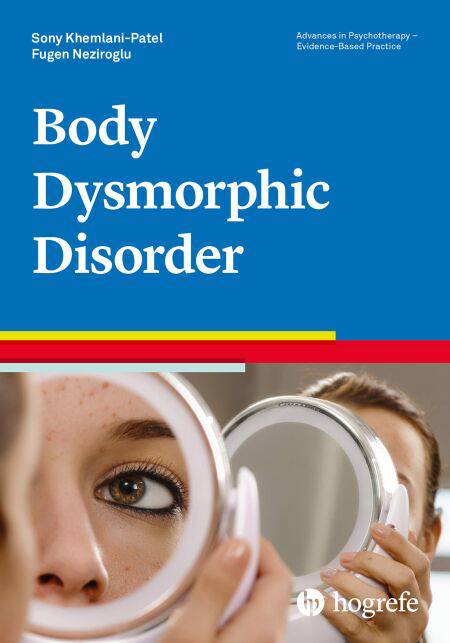
Learn how to assess and treat body dysmorphic disorder (BDD)
- Presents the best treatment practices
- Instructions for novel and advanced treatment strategies
- Tips for improving client engagement
- Illustrated with case studies
- Printable tools for clinical use
More about the book
This volume provides a user-friendly, evidence-based guide to the diagnosis, phenomenology, etiology, and treatment of body dysmorphic disorder (BDD). New and seasoned clinicians can learn about the foundations of CBT for BDD as well as the rationale and instructions for modifying the approach to meet the differences in symptoms found in this client group. The book explores techniques for treatment engagement, including adjusting therapeutic style, appropriate utilization of behavioral and cognitive therapy, family involvement, and motivational interviewing techniques. Other issues associated with BDD are also highlighted: poor insight, comorbidity, concerning rates of suicidality, and ambivalence regarding treatment.
The authors outline step-by-step instructions for numerous novel and advanced treatment strategies, including perceptual re-training, attentional training, acceptance and commitment approaches, and ways to manage ongoing desire for cosmetic surgery. Detailed case examples are presented with corresponding treatment guidelines to highlight the variety in clinical presentation and corresponding treatment approaches. Printable tools in the appendices can be used in daily practice.
Watch a video interview with the authors
- Presents the best treatment practices
- Instructions for novel and advanced treatment strategies
- Tips for improving client engagement
- Illustrated with case studies
- Printable tools for clinical use
More about the book
This volume provides a user-friendly, evidence-based guide to the diagnosis, phenomenology, etiology, and treatment of body dysmorphic disorder (BDD). New and seasoned clinicians can learn about the foundations of CBT for BDD as well as the rationale and instructions for modifying the approach to meet the differences in symptoms found in this client group. The book explores techniques for treatment engagement, including adjusting therapeutic style, appropriate utilization of behavioral and cognitive therapy, family involvement, and motivational interviewing techniques. Other issues associated with BDD are also highlighted: poor insight, comorbidity, concerning rates of suicidality, and ambivalence regarding treatment.
The authors outline step-by-step instructions for numerous novel and advanced treatment strategies, including perceptual re-training, attentional training, acceptance and commitment approaches, and ways to manage ongoing desire for cosmetic surgery. Detailed case examples are presented with corresponding treatment guidelines to highlight the variety in clinical presentation and corresponding treatment approaches. Printable tools in the appendices can be used in daily practice.
Watch a video interview with the authors
Specificaties
Betrokkenen
- Auteur(s):
- Uitgeverij:
Inhoud
- Aantal bladzijden:
- 106
- Taal:
- Engels
- Reeks:
Eigenschappen
- Productcode (EAN):
- 9781613345009
- Verschijningsdatum:
- 8/02/2022
- Uitvoering:
- E-book
- Beveiligd met:
- Digital watermarking
- Formaat:
- ePub


Alleen bij Standaard Boekhandel
+ 21 punten op je klantenkaart van Standaard Boekhandel
AANGERADEN


Beoordelingen
We publiceren alleen reviews die voldoen aan de voorwaarden voor reviews. Bekijk onze voorwaarden voor reviews.