



- Afhalen na 1 uur in een winkel met voorraad
- In januari gratis thuislevering in België
- Ruim aanbod met 7 miljoen producten
- Afhalen na 1 uur in een winkel met voorraad
- In januari gratis thuislevering in België
- Ruim aanbod met 7 miljoen producten





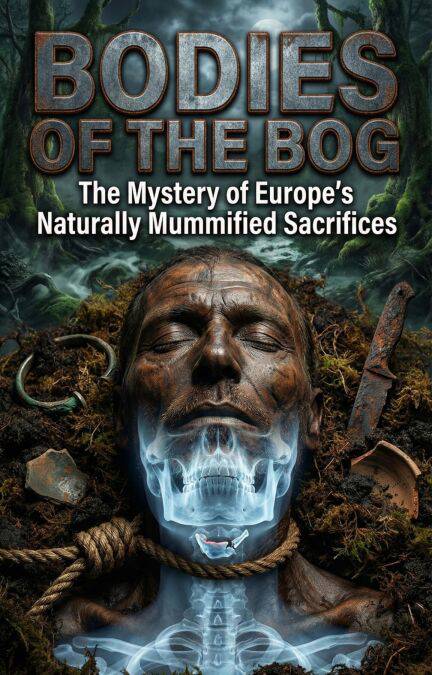
Bodies of the Bog E-BOOK
The Mystery of Europe's Naturally Mummified Sacrifices
Helen Frost
E-book | Engels
€ 4,99
+ 4 punten
Omschrijving
In the peat bogs of Northern Europe, peat cutters have unearthed hundreds of bodies over the centuries. They look like they died yesterday—skin intact, stubble on their chins, fingerprints visible—but they are 2,000 years old. Archaeologist Helen Frost investigates these "Bog Bodies" (like Tollund Man and Grauballe Man) in "Bodies of the Bog."
Frost utilizes modern forensic technology to reconstruct their last meals, their health, and their violent deaths. Most were strangled, stabbed, or bludgeoned. The book explores the chilling question: Were they criminals being punished, or cherished members of society sacrificed to the gods of the bog?
Frost argues for the latter, painting a picture of an Iron Age culture that viewed the bog as a portal to the supernatural. She details the chemical miracle of sphagnum moss that tans human skin like leather, preserving these individuals as perfect time travelers. A haunting blend of CSI and ancient history.
Frost utilizes modern forensic technology to reconstruct their last meals, their health, and their violent deaths. Most were strangled, stabbed, or bludgeoned. The book explores the chilling question: Were they criminals being punished, or cherished members of society sacrificed to the gods of the bog?
Frost argues for the latter, painting a picture of an Iron Age culture that viewed the bog as a portal to the supernatural. She details the chemical miracle of sphagnum moss that tans human skin like leather, preserving these individuals as perfect time travelers. A haunting blend of CSI and ancient history.
Specificaties
Betrokkenen
- Auteur(s):
- Uitgeverij:
Inhoud
- Aantal bladzijden:
- 147
- Taal:
- Engels
Eigenschappen
- Productcode (EAN):
- 9783565218950
- Verschijningsdatum:
- 1/02/2026
- Uitvoering:
- E-book
- Formaat:
- ePub


Alleen bij Standaard Boekhandel
+ 4 punten op je klantenkaart van Standaard Boekhandel
Cadeau

AANGERADEN


Beoordelingen
We publiceren alleen reviews die voldoen aan de voorwaarden voor reviews. Bekijk onze voorwaarden voor reviews.