


- Afhalen na 1 uur in een winkel met voorraad
- Gratis thuislevering in België vanaf € 30
- Ruim aanbod met 7 miljoen producten
- Afhalen na 1 uur in een winkel met voorraad
- Gratis thuislevering in België vanaf € 30
- Ruim aanbod met 7 miljoen producten





€ 77,95
+ 155 punten
Omschrijving
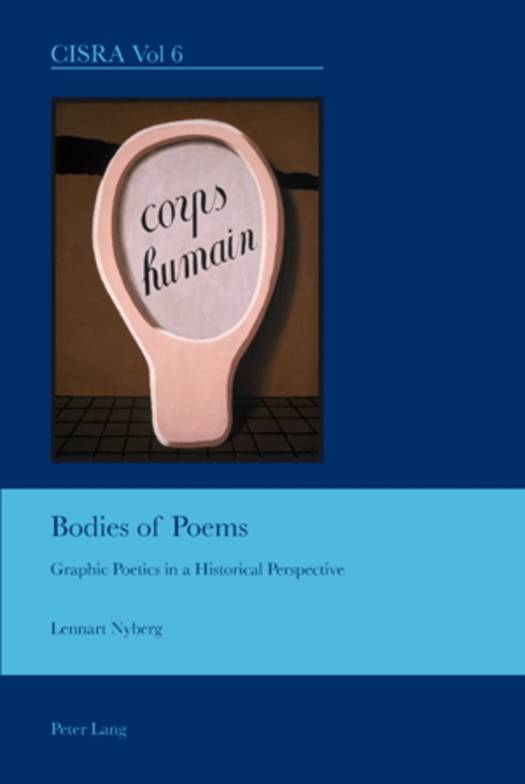
How is meaning created by a poem? Through the invisible ideas and thoughts conveyed by the text or through the physical presence of book, paper and print? In Bodies of Poems the author argues that the material properties of poetic texts are meaningful in their own right but often ignored and made invisible in poetry criticism. Through a number of examples ranging from the introduction of print technology in the fifteenth century to late twentieth-century poets such as Adrienne Rich and Seamus Heaney, this study examines the ways in which poems are products of the contemporary state of print technology, legal and social definitions of authors and texts, and culturally and historically determined assumptions about the self and the body. Although indebted to recent innovative work in textual criticism, this book is a pioneering attempt to place the study of poetic texts as material artefacts in a sustained historical narrative.
Specificaties
Betrokkenen
- Auteur(s):
- Uitgeverij:
Inhoud
- Aantal bladzijden:
- 192
- Taal:
- Engels
- Reeks:
- Reeksnummer:
- nr. 6
Eigenschappen
- Productcode (EAN):
- 9783039113439
- Verschijningsdatum:
- 2/12/2008
- Uitvoering:
- Paperback
- Formaat:
- Trade paperback (VS)
- Afmetingen:
- 150 mm x 220 mm
- Gewicht:
- 309 g


Alleen bij Standaard Boekhandel
+ 155 punten op je klantenkaart van Standaard Boekhandel
Cadeau

AANGERADEN


Beoordelingen
We publiceren alleen reviews die voldoen aan de voorwaarden voor reviews. Bekijk onze voorwaarden voor reviews.