



- Afhalen na 1 uur in een winkel met voorraad
- In januari gratis thuislevering in België
- Ruim aanbod met 7 miljoen producten
- Afhalen na 1 uur in een winkel met voorraad
- In januari gratis thuislevering in België
- Ruim aanbod met 7 miljoen producten




€ 30,19
+ 30 punten
Omschrijving
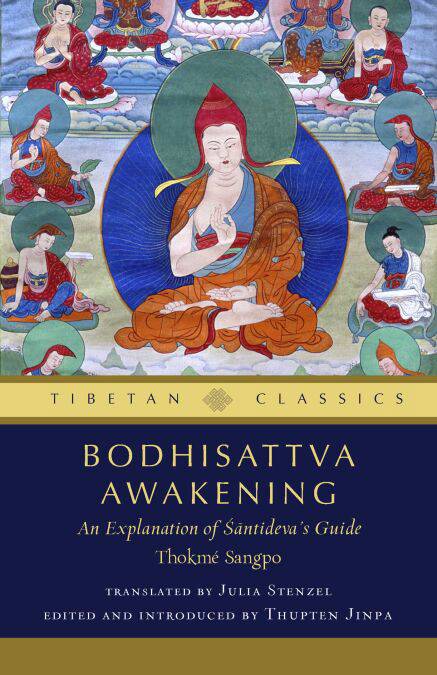
A beloved Tibetan master of the fourteenth century explains the most celebrated guide to Mahayana Buddhist practice.
The Tibetan master Thokme Sangpo (1295–1369) is revered by all schools of Tibetan Buddhism, who usually refer to him with the honorific Gyalse, meaning “bodhisattva,” for his deep devotion to the bodhisattva ideal. He is most known for his Thirty-Seven Practices of Bodhisattvas, a short verse text frequently taught by the Dalai Lama and other teachers as a succinct guide to the path of enlightened altruism. But Thokme Sangpo’s commentary on Shantideva’s famous Guide to the Bodhisattva Way is also a classic of Tibetan literature. With many English translations, the seventh-century Guide is quoted more than any other work for its poetic distillations of key Buddhist truths. And when Tibetan lamas give teachings on the Guide, they consult Thokme Sangpo.
Thokme Sangpo walks readers through Shantideva’s ten chapters of verses with brisk prose explanations organized in a detailed thematic outline. From the inspiring early chapters extolling the bodhisattva’s vast aspirations, through the practice of the six perfections aimed at realizing transcendent wisdom, this first-ever English translation will inspire as it illuminates and deepens readers’ appreciation for one of Buddhism's greatest contributions to world literature. Thupten Jinpa’s introduction unpacks key features of the so-called bodhisattva ideal and provides details about the life of Thokme Sangpo and his place in the Tibetan imagination.
The Tibetan master Thokme Sangpo (1295–1369) is revered by all schools of Tibetan Buddhism, who usually refer to him with the honorific Gyalse, meaning “bodhisattva,” for his deep devotion to the bodhisattva ideal. He is most known for his Thirty-Seven Practices of Bodhisattvas, a short verse text frequently taught by the Dalai Lama and other teachers as a succinct guide to the path of enlightened altruism. But Thokme Sangpo’s commentary on Shantideva’s famous Guide to the Bodhisattva Way is also a classic of Tibetan literature. With many English translations, the seventh-century Guide is quoted more than any other work for its poetic distillations of key Buddhist truths. And when Tibetan lamas give teachings on the Guide, they consult Thokme Sangpo.
Thokme Sangpo walks readers through Shantideva’s ten chapters of verses with brisk prose explanations organized in a detailed thematic outline. From the inspiring early chapters extolling the bodhisattva’s vast aspirations, through the practice of the six perfections aimed at realizing transcendent wisdom, this first-ever English translation will inspire as it illuminates and deepens readers’ appreciation for one of Buddhism's greatest contributions to world literature. Thupten Jinpa’s introduction unpacks key features of the so-called bodhisattva ideal and provides details about the life of Thokme Sangpo and his place in the Tibetan imagination.
Specificaties
Betrokkenen
- Auteur(s):
- Vertaler(s):
- Uitgeverij:
Inhoud
- Aantal bladzijden:
- 384
- Taal:
- Engels
- Reeks:
Eigenschappen
- Productcode (EAN):
- 9798890700766
- Verschijningsdatum:
- 26/10/2026
- Uitvoering:
- E-book
- Beveiligd met:
- Adobe DRM
- Formaat:
- ePub


Alleen bij Standaard Boekhandel
+ 30 punten op je klantenkaart van Standaard Boekhandel
Cadeau

AANGERADEN


Beoordelingen
We publiceren alleen reviews die voldoen aan de voorwaarden voor reviews. Bekijk onze voorwaarden voor reviews.