


- Afhalen na 1 uur in een winkel met voorraad
- Gratis thuislevering in België vanaf € 30
- Ruim aanbod met 7 miljoen producten
- Afhalen na 1 uur in een winkel met voorraad
- Gratis thuislevering in België vanaf € 30
- Ruim aanbod met 7 miljoen producten





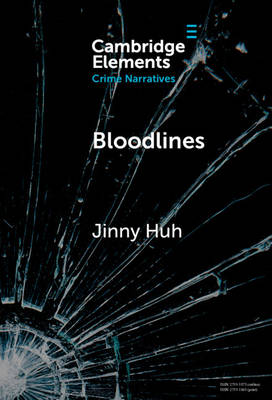
Omschrijving
This study explores the relationship between crime fiction and adoption. A primary goal of this study is to investigate how the adoption trope reveals current cultural fears and fascination with kinship formations and essentialist notions of belonging, DNA and ancestry searches, and the controversial practice of adoption. Popular fiction, namely crime/detective fiction and the subgenre of adoption crime fiction, reflect scholarly debates within the field of Critical Adoption Studies, including but not limited to the ethics behind the adoption industrial complex and calls for its demise, struggles for reproductive justice, and redefinitions of parenting and kinship formations evidenced by LGBTQ and racialized identities. Another goal of this study is to highlight adoptee and birthparent voices and perspectives, illustrating how genre fiction can help to agitate for more inclusive representation. By intersecting elements of crime into the adoption story, these narratives illuminate the human cost and condition of current adoption practices.
Specificaties
Betrokkenen
- Auteur(s):
- Uitgeverij:
Inhoud
- Aantal bladzijden:
- 72
- Taal:
- Engels
- Reeks:
Eigenschappen
- Productcode (EAN):
- 9781009547864
- Verschijningsdatum:
- 30/01/2025
- Uitvoering:
- Hardcover
- Formaat:
- Genaaid
- Afmetingen:
- 152 mm x 229 mm
- Gewicht:
- 267 g


Alleen bij Standaard Boekhandel
+ 248 punten op je klantenkaart van Standaard Boekhandel
Cadeau

AANGERADEN


Beoordelingen
We publiceren alleen reviews die voldoen aan de voorwaarden voor reviews. Bekijk onze voorwaarden voor reviews.