


- Afhalen na 1 uur in een winkel met voorraad
- Gratis thuislevering in België vanaf € 30
- Ruim aanbod met 7 miljoen producten
- Afhalen na 1 uur in een winkel met voorraad
- Gratis thuislevering in België vanaf € 30
- Ruim aanbod met 7 miljoen producten





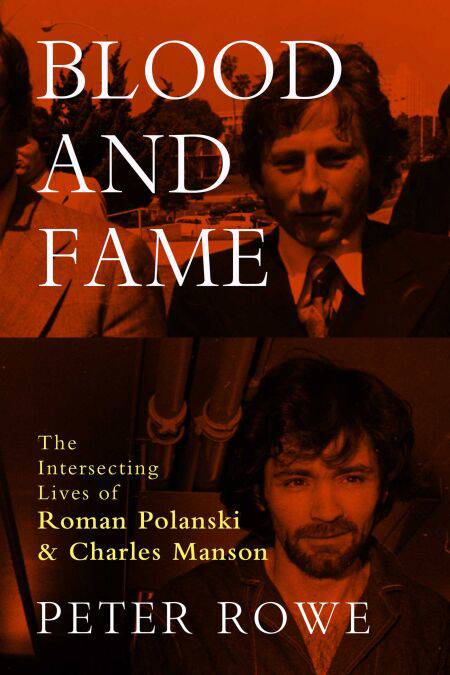
Blood and Fame E-BOOK
The Intersecting Lives of Roman Polanski and Charles Manson
Peter Rowe
E-book | Engels
€ 20,12
+ 20 punten
Omschrijving
A riveting new look at the parallel lives of Charles Manson and Roman Polanski reveals connections beyond the notorious Tate-LaBianca murders.
Since the horrific murder of Sharon Tate in 1969, the names Charles Manson and Roman Polanski have been brutally linked. But new analysis of the parallel and intertwining stories of these two men reveals a connection that preceded that fateful day.
Manson and Polanski shared remarkably similar, and similarly awful, childhoods. In their early years they both developed a hatred of the establishment and of authority—Manson, from being abused by relatives, school staff, and jailors, and Polanski from living under the Nazi regime and then Polish Communists in the 1950s.
Manson was released from prison and promptly went to the wildest place in North America (San Francisco’s Haight Ashbury) at around the same time as Polanski got out of communist Poland and headed for the wildest place in Europe (swinging London). Both men went overboard with the new freedom of the era. Their paths crossed in Hollywood in the late 1960s, where Polanski had wild success, Manson utter failure. Then on August 8, 1969, Manson orchestrated the murder of Polanski’s wife, actress Sharon Tate, and her unborn son.
Combining international celebrity biography, analysis of a high-profile murder, and in-depth consideration of the lasting legacy of the crime in Polanski’s directorial work, Blood and Fame is a riveting investigation that will appeal to both film lovers and true crime readers alike.
Since the horrific murder of Sharon Tate in 1969, the names Charles Manson and Roman Polanski have been brutally linked. But new analysis of the parallel and intertwining stories of these two men reveals a connection that preceded that fateful day.
Manson and Polanski shared remarkably similar, and similarly awful, childhoods. In their early years they both developed a hatred of the establishment and of authority—Manson, from being abused by relatives, school staff, and jailors, and Polanski from living under the Nazi regime and then Polish Communists in the 1950s.
Manson was released from prison and promptly went to the wildest place in North America (San Francisco’s Haight Ashbury) at around the same time as Polanski got out of communist Poland and headed for the wildest place in Europe (swinging London). Both men went overboard with the new freedom of the era. Their paths crossed in Hollywood in the late 1960s, where Polanski had wild success, Manson utter failure. Then on August 8, 1969, Manson orchestrated the murder of Polanski’s wife, actress Sharon Tate, and her unborn son.
Combining international celebrity biography, analysis of a high-profile murder, and in-depth consideration of the lasting legacy of the crime in Polanski’s directorial work, Blood and Fame is a riveting investigation that will appeal to both film lovers and true crime readers alike.
Specificaties
Betrokkenen
- Auteur(s):
- Uitgeverij:
Inhoud
- Aantal bladzijden:
- 352
- Taal:
- Engels
Eigenschappen
- Productcode (EAN):
- 9781613167977
- Verschijningsdatum:
- 3/08/2026
- Uitvoering:
- E-book
- Beveiligd met:
- Adobe DRM
- Formaat:
- ePub


Alleen bij Standaard Boekhandel
+ 20 punten op je klantenkaart van Standaard Boekhandel
Cadeau

AANGERADEN


Beoordelingen
We publiceren alleen reviews die voldoen aan de voorwaarden voor reviews. Bekijk onze voorwaarden voor reviews.