


- Afhalen na 1 uur in een winkel met voorraad
- Gratis thuislevering in België vanaf € 30
- Ruim aanbod met 7 miljoen producten
- Afhalen na 1 uur in een winkel met voorraad
- Gratis thuislevering in België vanaf € 30
- Ruim aanbod met 7 miljoen producten





€ 17,69
+ 17 punten
Omschrijving
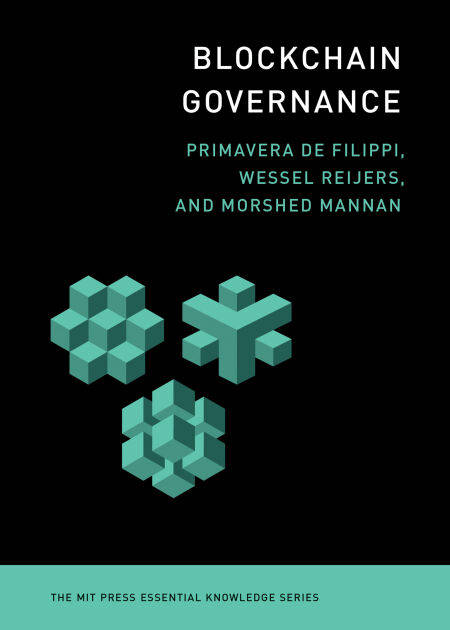
An engaging and comprehensive exploration of how fundamental ideas in political and legal thought shape the governance of blockchain communities, and are, in turn, shaped by blockchain technology.
How can digital cash truly be “trustless”? What does it mean that blockchain offers a new paradigm of the “rule of code”? How are decisions made when a blockchain system faces an emergency, and who gets to make those decisions? In Blockchain Governance, Primavera De Filippi, Wessel Reijers, and Morshed Mannan offer answers to these questions and more, in an accessible, critical overview of legal and political issues related to blockchain technology, now the foundation of a multi-billion-dollar industry. Moving beyond the hype, they show how blockchain offers fertile ground for experimentation with radically new ways to govern people and institutions.
Blockchain-based systems, like Bitcoin, Ethereum, Tezos, and countless others, offer new ways of organizing digital cash, “smart” contracts to execute transactions, non-fungible tokens (NFTs) to collect art, and decentralized autonomous organizations (DAOs) to coordinate humans and machines. What these applications have in common is that they govern the behavior of people and artificial agents through distributed systems. Drawing from their extensive experience in researching blockchain technologies and communities, the authors discuss the origins of Bitcoin in cypher-anarchism and extropianism, spectacular events like the million-dollar theft of the DAO Attack, and the hostile takeover of the Steem platform. While engaging with political and legal thinkers such as Hobbes, Kelsen, and the Ostroms, these narratives explore how blockchain governance problematizes fundamental concepts such as rule of law, sovereignty, legality, legitimacy, and polycentric governance.
How can digital cash truly be “trustless”? What does it mean that blockchain offers a new paradigm of the “rule of code”? How are decisions made when a blockchain system faces an emergency, and who gets to make those decisions? In Blockchain Governance, Primavera De Filippi, Wessel Reijers, and Morshed Mannan offer answers to these questions and more, in an accessible, critical overview of legal and political issues related to blockchain technology, now the foundation of a multi-billion-dollar industry. Moving beyond the hype, they show how blockchain offers fertile ground for experimentation with radically new ways to govern people and institutions.
Blockchain-based systems, like Bitcoin, Ethereum, Tezos, and countless others, offer new ways of organizing digital cash, “smart” contracts to execute transactions, non-fungible tokens (NFTs) to collect art, and decentralized autonomous organizations (DAOs) to coordinate humans and machines. What these applications have in common is that they govern the behavior of people and artificial agents through distributed systems. Drawing from their extensive experience in researching blockchain technologies and communities, the authors discuss the origins of Bitcoin in cypher-anarchism and extropianism, spectacular events like the million-dollar theft of the DAO Attack, and the hostile takeover of the Steem platform. While engaging with political and legal thinkers such as Hobbes, Kelsen, and the Ostroms, these narratives explore how blockchain governance problematizes fundamental concepts such as rule of law, sovereignty, legality, legitimacy, and polycentric governance.
Specificaties
Betrokkenen
- Auteur(s):
- Uitgeverij:
Inhoud
- Aantal bladzijden:
- 248
- Taal:
- Engels
- Reeks:
Eigenschappen
- Productcode (EAN):
- 9780262379861
- Verschijningsdatum:
- 19/08/2024
- Uitvoering:
- E-book
- Beveiligd met:
- Adobe DRM
- Formaat:
- ePub


Alleen bij Standaard Boekhandel
+ 17 punten op je klantenkaart van Standaard Boekhandel
Cadeau

AANGERADEN


Beoordelingen
We publiceren alleen reviews die voldoen aan de voorwaarden voor reviews. Bekijk onze voorwaarden voor reviews.