


- Afhalen na 1 uur in een winkel met voorraad
- Gratis thuislevering in België vanaf € 30
- Ruim aanbod met 7 miljoen producten
- Afhalen na 1 uur in een winkel met voorraad
- Gratis thuislevering in België vanaf € 30
- Ruim aanbod met 7 miljoen producten





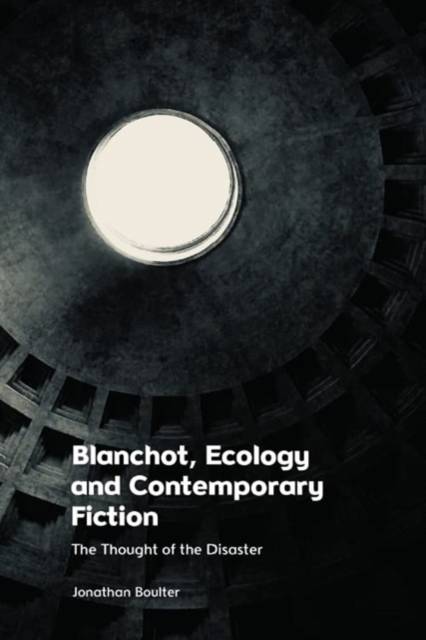
Blanchot, Ecology and Contemporary Fiction
The Thought of the Disaster
Jonathan Boulter
Hardcover | Engels
€ 193,45
+ 386 punten
Uitvoering
Omschrijving
Blanchot, Ecology and Contemporary Fiction: The Thought of the Disaster delves into Maurice Blanchot's enigmatic, and deeply influential, notion of the disaster - a term Blanchot famously refuses to define. By exploring the novels of Jon McGregor, Mike McCormack, David Mitchell, Jeanette Winterson and Maggie Gee, Jonathan Boulter suggests that we can think of literature, the space of the imagination, as the place where some conception (ethical, ecological, or ontological) of the disaster emerges. These novels, all in some ways about the disaster, just as they are inflected by the disaster, become the place where an understanding of critical events - death, ecological catastrophe, pandemics - is possible.
Specificaties
Betrokkenen
- Auteur(s):
- Uitgeverij:
Inhoud
- Aantal bladzijden:
- 240
- Taal:
- Engels
Eigenschappen
- Productcode (EAN):
- 9781474499620
- Verschijningsdatum:
- 6/12/2023
- Uitvoering:
- Hardcover
- Formaat:
- Genaaid
- Afmetingen:
- 156 mm x 234 mm
- Gewicht:
- 512 g


Alleen bij Standaard Boekhandel
+ 386 punten op je klantenkaart van Standaard Boekhandel
Cadeau

AANGERADEN


Beoordelingen
We publiceren alleen reviews die voldoen aan de voorwaarden voor reviews. Bekijk onze voorwaarden voor reviews.