


- Afhalen na 1 uur in een winkel met voorraad
- Gratis thuislevering in België vanaf € 30
- Ruim aanbod met 7 miljoen producten
- Afhalen na 1 uur in een winkel met voorraad
- Gratis thuislevering in België vanaf € 30
- Ruim aanbod met 7 miljoen producten





€ 190,45
+ 380 punten
Omschrijving
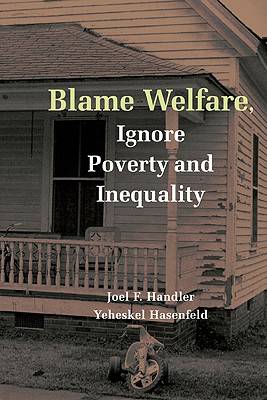
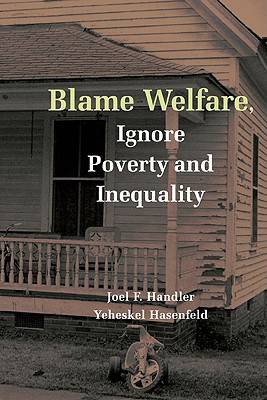
With the passage of the 1996 welfare reform, not only welfare, but poverty and inequality have disappeared from the political discourse. The decline in the welfare rolls has been hailed as a success. This book challenges that assumption. It argues that while many single mothers left welfare, they have joined the working poor, and fail to make a decent living. The book examines the persistent demonization of poor single-mother families; the impact of the low-wage market on perpetuating poverty and inequality; and the role of the welfare bureaucracy in defining deserving and undeserving poor. It argues that the emphasis on family values - marriage promotion, sex education and abstinence - is misguided and diverts attention from the economic hardships low-income families face. The book proposes an alternative approach to reducing poverty and inequality that centers on a children's allowance as basic income support coupled with jobs and universal child care.
Specificaties
Betrokkenen
- Auteur(s):
- Uitgeverij:
Inhoud
- Aantal bladzijden:
- 416
- Taal:
- Engels
Eigenschappen
- Productcode (EAN):
- 9780521870351
- Verschijningsdatum:
- 27/11/2006
- Uitvoering:
- Hardcover
- Formaat:
- Genaaid
- Afmetingen:
- 156 mm x 234 mm
- Gewicht:
- 757 g


Alleen bij Standaard Boekhandel
+ 380 punten op je klantenkaart van Standaard Boekhandel
Cadeau

AANGERADEN


Beoordelingen
We publiceren alleen reviews die voldoen aan de voorwaarden voor reviews. Bekijk onze voorwaarden voor reviews.