


- Afhalen na 1 uur in een winkel met voorraad
- Gratis thuislevering in België vanaf € 30
- Ruim aanbod met 7 miljoen producten
- Afhalen na 1 uur in een winkel met voorraad
- Gratis thuislevering in België vanaf € 30
- Ruim aanbod met 7 miljoen producten





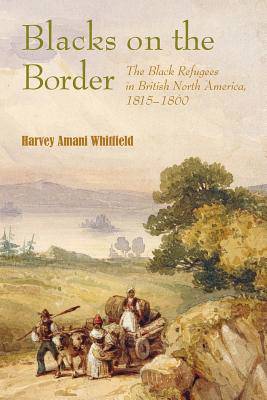
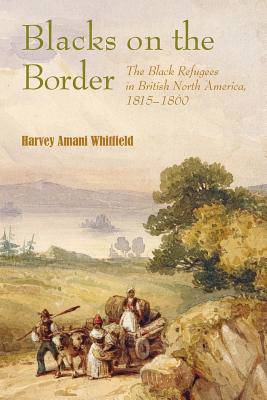
Blacks on the Border
The Black Refugees in British North America, 1815-1860
Harvey Whitfield
Paperback | Engels
€ 38,95
+ 77 punten
Omschrijving
Following the American Revolution, free black communities and enslaved African Americans increasingly struggled to reconcile their African heritage with their American home. This struggle resulted in tens of thousands of African Americans seeking new homes in areas as diverse as Haiti and Nova Scotia. Black refugees arrived in Nova Scotia after the War of 1812 with little in common but their desire for freedom. By 1860, they had formed families, communities, and traditions. Harvey Amani Whitfield's study reconstructs the lives and history of a sizeable but neglected group of African Americans by placing their history within the framework of free black communities in New England and Nova Scotia during the nineteenth century. It examines which aspects of American and African American culture black expatriates used or discarded in an area that forced them to negotiate the overlapping worlds of Great Britain, the United States, Afro-New England, and the African American Diaspora, while considering how former American slaves understood freedom long before the Civil War.
Specificaties
Betrokkenen
- Auteur(s):
- Uitgeverij:
Inhoud
- Aantal bladzijden:
- 200
- Taal:
- Engels
Eigenschappen
- Productcode (EAN):
- 9781584656067
- Verschijningsdatum:
- 30/11/2006
- Uitvoering:
- Paperback
- Formaat:
- Trade paperback (VS)
- Afmetingen:
- 149 mm x 232 mm
- Gewicht:
- 303 g


Alleen bij Standaard Boekhandel
+ 77 punten op je klantenkaart van Standaard Boekhandel
AANGERADEN


Beoordelingen
We publiceren alleen reviews die voldoen aan de voorwaarden voor reviews. Bekijk onze voorwaarden voor reviews.