


- Afhalen na 1 uur in een winkel met voorraad
- Gratis thuislevering in België vanaf € 30
- Ruim aanbod met 7 miljoen producten
- Afhalen na 1 uur in een winkel met voorraad
- Gratis thuislevering in België vanaf € 30
- Ruim aanbod met 7 miljoen producten





€ 29,95
+ 59 punten
Eenvoudig bestellen
Veilig betalen


Gratis thuislevering vanaf € 30 (via bpost)
Gratis levering in je Standaard Boekhandel
Omschrijving
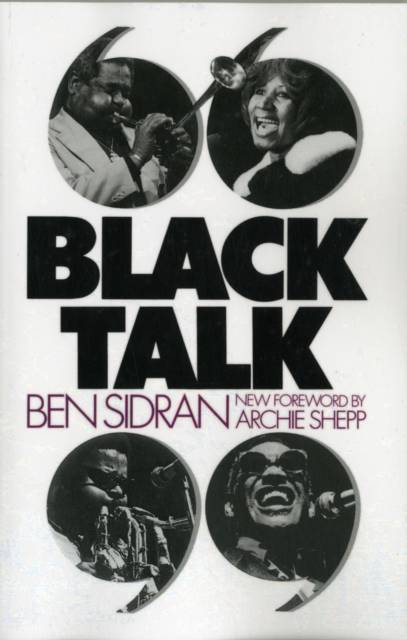
Black Music--whether it be jazz, blues, r&b, gospel, or soul--has always expressed, consciously or not, its African "oral" heritage, reflecting the conditions of a minority culture in the midst of a white majority. Black Talk is one of those rare books since LeRoi Jones's Blues People to examine the social function of black music in the diaspora; it sounds the depths of experience and maps the history of a culture from the jazz age to the revolutionary outbursts of the 1960s. Ben Sidran finds radical challenges to the Western, white literary tradition in such varied music as Buddy Bolden's loud and hoarse cornet style, the call and response between brass and reeds in a swing band, the emotionalism of gospel, the primitivism of Ornette Coleman, and the cool ethic of bebop. "The musician is the document," says Sidran. "He is the information himself. The impact of stored information is transmitted not through records or archives, but through the human response to life."
Specificaties
Betrokkenen
- Auteur(s):
- Uitgeverij:
Inhoud
- Aantal bladzijden:
- 244
- Taal:
- Engels
Eigenschappen
- Productcode (EAN):
- 9780306801846
- Verschijningsdatum:
- 1/12/1988
- Uitvoering:
- Paperback
- Formaat:
- Trade paperback (VS)
- Afmetingen:
- 140 mm x 213 mm
- Gewicht:
- 317 g


Alleen bij Standaard Boekhandel
+ 59 punten op je klantenkaart van Standaard Boekhandel
CADEAU

AANGERADEN


Beoordelingen
We publiceren alleen reviews die voldoen aan de voorwaarden voor reviews. Bekijk onze voorwaarden voor reviews.