


- Afhalen na 1 uur in een winkel met voorraad
- Gratis thuislevering in België vanaf € 30
- Ruim aanbod met 7 miljoen producten
- Afhalen na 1 uur in een winkel met voorraad
- Gratis thuislevering in België vanaf € 30
- Ruim aanbod met 7 miljoen producten





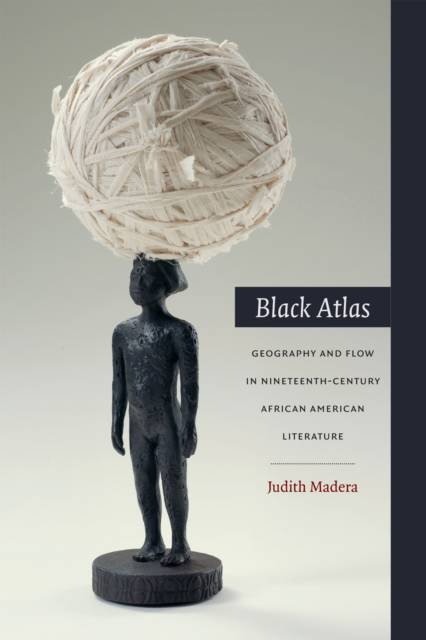
Black Atlas
Geography and Flow in Nineteenth-Century African American Literature
Judith Madera
Paperback | Engels
€ 53,45
+ 106 punten
Uitvoering
Omschrijving
Black Atlas presents definitive new approaches to black geography. It focuses attention on the dynamic relationship between place and African American literature during the long nineteenth century, a volatile epoch of national expansion that gave rise to the Civil War, Reconstruction, pan-Americanism, and the black novel. Judith Madera argues that spatial reconfiguration was a critical concern for the era's black writers, and she also demonstrates how the possibility for new modes of representation could be found in the radical redistricting of space. Madera reveals how crucial geography was to the genre-bending works of writers such as William Wells Brown, Martin Delany, James Beckwourth, Pauline Hopkins, Charles Chesnutt, and Alice Dunbar-Nelson. These authors intervened in major nineteenth-century debates about free soil, regional production, Indian deterritorialization, internal diasporas, pan-American expansionism, and hemispheric circuitry. Black geographies stood in for what was at stake in negotiating a shared world.
Specificaties
Betrokkenen
- Auteur(s):
- Uitgeverij:
Inhoud
- Aantal bladzijden:
- 312
- Taal:
- Engels
Eigenschappen
- Productcode (EAN):
- 9780822358114
- Verschijningsdatum:
- 19/06/2015
- Uitvoering:
- Paperback
- Formaat:
- Trade paperback (VS)
- Afmetingen:
- 152 mm x 226 mm
- Gewicht:
- 430 g



Alleen bij Standaard Boekhandel
+ 106 punten op je klantenkaart van Standaard Boekhandel
Cadeau

AANGERADEN


Beoordelingen
We publiceren alleen reviews die voldoen aan de voorwaarden voor reviews. Bekijk onze voorwaarden voor reviews.