


- Afhalen na 1 uur in een winkel met voorraad
- Gratis thuislevering in België vanaf € 30
- Ruim aanbod met 7 miljoen producten
- Afhalen na 1 uur in een winkel met voorraad
- Gratis thuislevering in België vanaf € 30
- Ruim aanbod met 7 miljoen producten





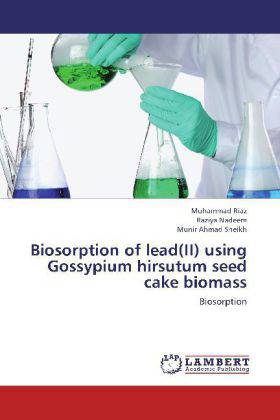
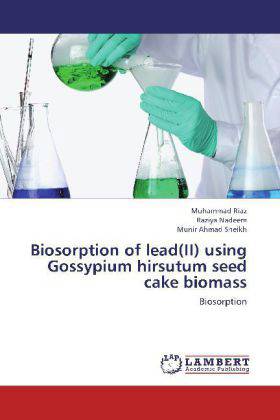
Biosorption of lead(II) using Gossypium hirsutum seed cake biomass
Biosorption
Muhammad Riaz, Raziya Nadeem, Munir Ahmad Sheikh
Paperback | Engels
€ 48,45
+ 96 punten
Omschrijving
The discharge of heavy metals from industrial effluents into aquatic sources has become a matter of concern over the last few decades. For the removal lead (II) ions from aqueous solutions biosorption is a cost effective method especially for the huge volumes of effluents. In the present study effect of cotton (Gossypium hirsutum) seed cake biomass on biosorption of lead (II) from aqueous solutions was deliberated. It was indicated that adsorption capacity q, (mg/g) and percentage adsorption was function of biosorbent size, biosorbent dose, pH and initial lead (II) concentration. Optimized percentage adsorptions were observed at smaller size of biosorbent 0.355 mm, 0.2 g dose, pH 5.0 and 100 mg/L lead (II) concentration. Kinetic study revealed that adsorption was rapid in first fifteen minutes and equilibrium was achieved after six hours. At equilibrium, the maximum metal uptake was 45.29 mg/g with percentage adsorption 86.68 at pH 5.0. The Langmuir isotherm model with correlation coefficient (0.93) fitted well to the data of biosorption of lead (II), corroborating that the uptake of lead was chemical, saturable and equilibrated mechanism.
Specificaties
Betrokkenen
- Auteur(s):
- Uitgeverij:
Inhoud
- Aantal bladzijden:
- 108
- Taal:
- Engels
Eigenschappen
- Productcode (EAN):
- 9783659231599
- Verschijningsdatum:
- 22/11/2012
- Uitvoering:
- Paperback
- Afmetingen:
- 150 mm x 220 mm
- Gewicht:
- 168 g


Alleen bij Standaard Boekhandel
+ 96 punten op je klantenkaart van Standaard Boekhandel
Cadeau

AANGERADEN


Beoordelingen
We publiceren alleen reviews die voldoen aan de voorwaarden voor reviews. Bekijk onze voorwaarden voor reviews.