


- Afhalen na 1 uur in een winkel met voorraad
- Gratis thuislevering in België vanaf € 30
- Ruim aanbod met 7 miljoen producten
- Afhalen na 1 uur in een winkel met voorraad
- Gratis thuislevering in België vanaf € 30
- Ruim aanbod met 7 miljoen producten





€ 24,45
+ 48 punten
Uitvoering
Omschrijving
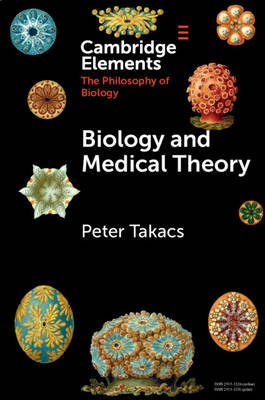
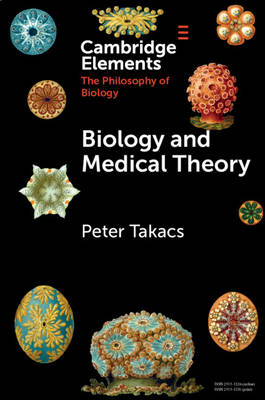
The philosophy of medicine has long been concerned with the status of diseases and disorders. Are such states genuinely pathological in an objective, mind-independent sense or merely value-laden social constructs? The prevailing dialectic in this area accordingly pits normative views against non-normative, naturalistic positions. Hybrid accounts represent a better alternative to these needlessly extreme 'purist' views. Hybrid accounts maintain that objective criteria for health and disease can exist independently and harmoniously alongside of normative considerations. Hybrid accounts to date have nevertheless failed to convince many. The failure is due largely to their reliance on inadequate notions of biological dysfunction. This Element attempts to redress this situation by sketching the outlines of a more sophisticated dysfunction condition. Drawing on recent advances in evolutionary medicine, the author examines the strengths and remaining weaknesses of a correspondingly revamped hybrid account of disease.
Specificaties
Betrokkenen
- Auteur(s):
- Uitgeverij:
Inhoud
- Aantal bladzijden:
- 94
- Taal:
- Engels
- Reeks:
Eigenschappen
- Productcode (EAN):
- 9781009768016
- Verschijningsdatum:
- 4/12/2025
- Uitvoering:
- Paperback
- Formaat:
- Trade paperback (VS)
- Afmetingen:
- 152 mm x 229 mm
- Gewicht:
- 136 g


Alleen bij Standaard Boekhandel
+ 48 punten op je klantenkaart van Standaard Boekhandel
Cadeau

AANGERADEN


Beoordelingen
We publiceren alleen reviews die voldoen aan de voorwaarden voor reviews. Bekijk onze voorwaarden voor reviews.