


- Afhalen na 1 uur in een winkel met voorraad
- Gratis thuislevering in België vanaf € 30
- Ruim aanbod met 7 miljoen producten
- Afhalen na 1 uur in een winkel met voorraad
- Gratis thuislevering in België vanaf € 30
- Ruim aanbod met 7 miljoen producten





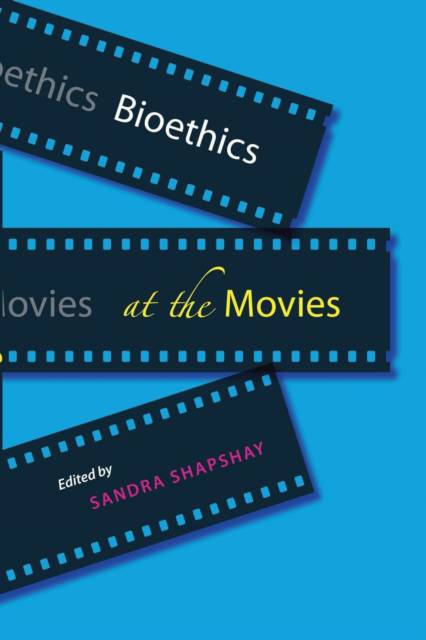
Bioethics at the Movies
€ 53,45
+ 106 punten
Omschrijving
Bioethics at the Movies explores the ways in which popular films engage basic bioethical concepts and concerns. Twenty-one philosophically grounded essays use cinematic tools such as character and plot development, scene setting, and narrative framing to demonstrate a range of principles and topics in contemporary medical ethics. The first two sections plumb popular and bioethical thought on birth, abortion, genetic selection, and personhood through several films, including The Cider House Rules, Citizen Ruth, Gattaca, and I, Robot. In the third section, the contributors examine medical practice and troubling questions about the quality and commodification of life by way of Dirty Pretty Things, Eternal Sunshine of the Spotless Mind, and other movies. The fourth section's essays use Million Dollar Baby, Critical Care, Big Fish, and Soylent Green to show how the medical profession and society at large view issues related to aging, dying, and death. A final section makes use of Extreme Measures and select films from Spain and Japan to discuss two foundational matters in bioethics: the role of theories and principles in medicine and the importance of cultural context in devising care. Structured to mirror bioethics and cinema classes, this innovative work includes end-of-chapter questions for further consideration and contributions from scholars from the United States, Canada, the United Kingdom, Israel, Spain, and Australia. Contributors: Robert Arp, Ph.D., Michael C. Brannigan, Ph.D., Matthew Burstein, Ph.D., Antonio Casado da Rocha, Ph.D., Stephen Coleman, Ph.D., Jason T. Eberl, Ph.D., Bradley J. Fisher, Ph.D., Paul J. Ford, Ph.D., Helen Frowe, Ph.D., Colin Gavaghan, Ph.D., Richard Hanley, Ph.D., Nancy Hansen, Ph.D., Al-Yasha Ilhaam, Ph.D., Troy Jollimore, Ph.D., Amy Kind, Ph.D., Zana Marie Lutfiyya, Ph.D., Terrance McConnell, Ph.D., Andy Miah, Ph.D., Nathan Norbis, Ph.D., Kenneth Richman, Ph.D., Karen D. Schwartz, LL.B., M.A., Sandra Shapshay, Ph.D., Daniel Sperling, LL.M., S.J.D., Becky Cox White, R.N., Ph.D., Clark Wolf, Ph.D.
Specificaties
Betrokkenen
- Uitgeverij:
Inhoud
- Aantal bladzijden:
- 400
- Taal:
- Engels
- Reeks:
Eigenschappen
- Productcode (EAN):
- 9780801890789
- Verschijningsdatum:
- 12/01/2009
- Uitvoering:
- Paperback
- Formaat:
- Trade paperback (VS)
- Afmetingen:
- 150 mm x 221 mm
- Gewicht:
- 566 g


Alleen bij Standaard Boekhandel
+ 106 punten op je klantenkaart van Standaard Boekhandel
Cadeau

AANGERADEN


Beoordelingen
We publiceren alleen reviews die voldoen aan de voorwaarden voor reviews. Bekijk onze voorwaarden voor reviews.