


- Afhalen na 1 uur in een winkel met voorraad
- Gratis thuislevering in België vanaf € 30
- Ruim aanbod met 7 miljoen producten
- Afhalen na 1 uur in een winkel met voorraad
- Gratis thuislevering in België vanaf € 30
- Ruim aanbod met 7 miljoen producten





€ 67,95
+ 135 punten
Uitvoering
Omschrijving
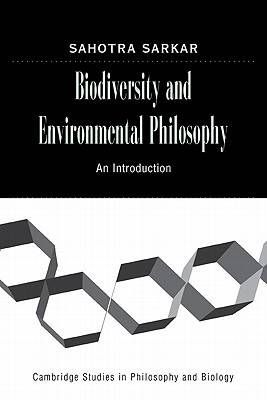
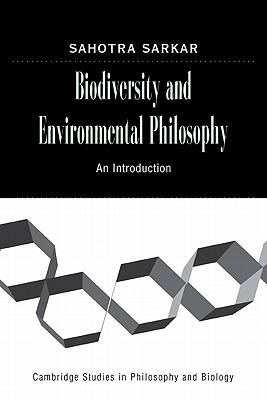
This book explores the epistemological and ethical issues at the foundations of environmental philosophy, emphasising the conservation of biodiversity. Sahota Sarkar criticises attempts to attribute intrinsic value to nature and defends an anthropocentric position on biodiversity conservation based on an untraditional concept of transformative value. Unlike other studies in the field of environmental philosophy, this book is as much concerned with epistemological issues as with environmental ethics. It covers a broad range of topics, including problems of explanation and prediction in traditional ecology and how individual-based models and Geographic Information Systems (GIS) technology is transforming ecology. Introducing a brief history of conservation biology, Sarkar analyses the consensus framework for conservation planning through adaptive management. He concludes with a discussion of directions for theoretical research in conservation biology and environmental philosophy.
Specificaties
Betrokkenen
- Auteur(s):
- Uitgeverij:
Inhoud
- Aantal bladzijden:
- 280
- Taal:
- Engels
- Reeks:
Eigenschappen
- Productcode (EAN):
- 9780521143424
- Verschijningsdatum:
- 10/06/2010
- Uitvoering:
- Paperback
- Formaat:
- Trade paperback (VS)
- Afmetingen:
- 152 mm x 229 mm
- Gewicht:
- 412 g


Alleen bij Standaard Boekhandel
+ 135 punten op je klantenkaart van Standaard Boekhandel
Cadeau

AANGERADEN


Beoordelingen
We publiceren alleen reviews die voldoen aan de voorwaarden voor reviews. Bekijk onze voorwaarden voor reviews.