



Je cadeautjes zeker op tijd in huis hebben voor de feestdagen? Kom langs in onze winkels en vind het perfecte geschenk!
- Afhalen na 1 uur in een winkel met voorraad
- Gratis thuislevering in België vanaf € 30
- Ruim aanbod met 7 miljoen producten
Je cadeautjes zeker op tijd in huis hebben voor de feestdagen? Kom langs in onze winkels en vind het perfecte geschenk!
- Afhalen na 1 uur in een winkel met voorraad
- Gratis thuislevering in België vanaf € 30
- Ruim aanbod met 7 miljoen producten





Omschrijving
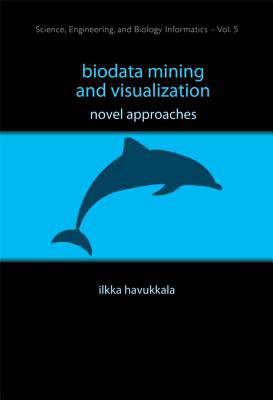
There is a lack of an exposition on interdisciplinary and innovative methods of data mining and visualization for biodata. This book fills the gap by introducing an interdisciplinary set of the most recent methods and references on novel techniques from artificial intelligence, data mining, engineering, pattern recognition, and ontological data mining fields that are applicable to bioinformatics. The latest novel approaches are explained in detail, their advantages and disadvantages are summarized, and pointers to the future development of new applications are given. By widening the pool from which biologists and bioinformaticians can adopt methods for biodata mining and visualization, computational data mining experts in nonbiological fields are also encouraged to utilize their expertise in order to contribute to the progress of computational biology, thus enhancing the collaboration between these two disciplines.
Specificaties
Betrokkenen
- Auteur(s):
- Uitgeverij:
Inhoud
- Aantal bladzijden:
- 324
- Taal:
- Engels
- Reeks:
- Reeksnummer:
- nr. 5
Eigenschappen
- Productcode (EAN):
- 9789812790361
- Verschijningsdatum:
- 31/05/2010
- Uitvoering:
- Hardcover
- Formaat:
- Genaaid
- Afmetingen:
- 155 mm x 229 mm
- Gewicht:
- 612 g


Alleen bij Standaard Boekhandel
+ 286 punten op je klantenkaart van Standaard Boekhandel
CADEAU


Beoordelingen
We publiceren alleen reviews die voldoen aan de voorwaarden voor reviews. Bekijk onze voorwaarden voor reviews.