



- Afhalen na 1 uur in een winkel met voorraad
- In januari gratis thuislevering in België
- Ruim aanbod met 7 miljoen producten
- Afhalen na 1 uur in een winkel met voorraad
- In januari gratis thuislevering in België
- Ruim aanbod met 7 miljoen producten





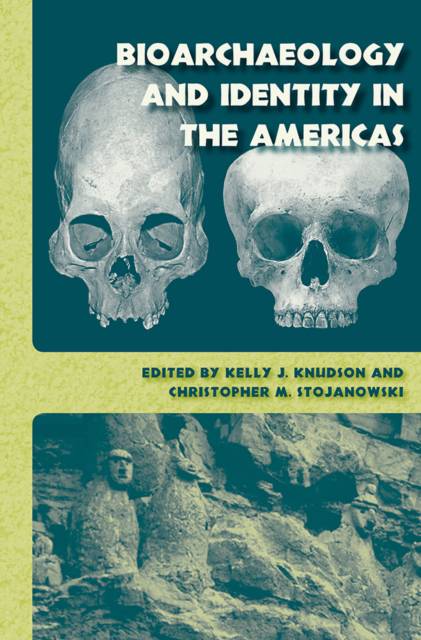
Bioarchaeology and Identity in the Americas
€ 53,45
+ 106 punten
Omschrijving
Bioarchaeology and Identity in the Americas represents an important shift in the interpretation of skeletal remains in the Americas. Until recently, bioarchaeology has focused on interpreting and analyzing populations. The contributors here look to examine how individuals fit into those larger populations. The overall aim is to demonstrate how bioarchaeologists can uniquely contribute to our understanding of the formation, representation, and repercussions of identity. The contributors combine historical and archaeological data with population genetic analyses, biogeochemical analyses of human tooth enamel and bones, mortuary patterns, and body modifications. With case studies drawn from North, Central, and South American mortuary remains from AD 500 to the Colonial period, they examine a wide range of factors that make up identity, including ethnicity, age, gender, and social, political, and religious constructions. By adding a valuable biological element to the study of culture--a topic traditionally associated with social theorists, ethnographers, and historical archaeologies--this volume highlights the importance of skeletal evidence in helping us better understand our past.
Specificaties
Betrokkenen
- Uitgeverij:
Inhoud
- Aantal bladzijden:
- 272
- Taal:
- Engels
- Reeks:
Eigenschappen
- Productcode (EAN):
- 9780813036786
- Verschijningsdatum:
- 29/11/2010
- Uitvoering:
- Paperback
- Formaat:
- Trade paperback (VS)
- Afmetingen:
- 152 mm x 229 mm
- Gewicht:
- 390 g

Alleen bij Standaard Boekhandel
+ 106 punten op je klantenkaart van Standaard Boekhandel
Cadeau

AANGERADEN


Beoordelingen
We publiceren alleen reviews die voldoen aan de voorwaarden voor reviews. Bekijk onze voorwaarden voor reviews.