


- Afhalen na 1 uur in een winkel met voorraad
- Gratis thuislevering in België vanaf € 30
- Ruim aanbod met 7 miljoen producten
- Afhalen na 1 uur in een winkel met voorraad
- Gratis thuislevering in België vanaf € 30
- Ruim aanbod met 7 miljoen producten





Omschrijving
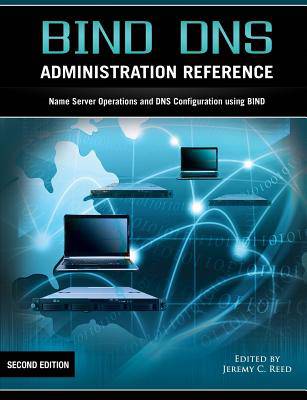
The BIND DNS Administration Reference continues to be a convenient resource covering the tools and configurations for the ISC BIND DNS software suite. BIND (Berkeley Internet Name Domain) is the most commonly-used DNS server on the Internet. BIND includes DNSSEC for signed zones, automatic zone re-signing, automated trust anchor maintenance, inline signing, hardware security devices, TSIG for signed DNS requests, IPv6 support, incremental zone transfers (IXFR), Response Policy Zones (RPZ), dynamic DNS, NXDOMAIN Redirection, EDNS0, multiple views, multi-processor support, various DNS-related security features, and more. This book covers the named DNS server and the various tools for operating and verifying the DNS server and configurations. It is based on a variety of open source documentation included with the BIND source code, including the definitive reference for the configuration syntax and grammar and the usage of the BIND programs. New chapters and content were added, including many examples and detailed indexing and cross-referencing. This BIND Administration Reference book corresponds to BIND 9.10 and also covers numerous differences between previous and later versions.
Specificaties
Betrokkenen
- Uitgeverij:
Inhoud
- Aantal bladzijden:
- 290
- Taal:
- Engels
Eigenschappen
- Productcode (EAN):
- 9781937516031
- Verschijningsdatum:
- 01/01/2016
- Uitvoering:
- Paperback
- Formaat:
- Trade paperback (VS)
- Afmetingen:
- 189 mm x 246 mm
- Gewicht:
- 521 g

Alleen bij Standaard Boekhandel
+ 41 punten op je klantenkaart van Standaard Boekhandel

Beoordelingen
We publiceren alleen reviews die voldoen aan de voorwaarden voor reviews. Bekijk onze voorwaarden voor reviews.