



Bedankt voor het vertrouwen het afgelopen jaar! Om jou te bedanken bieden we GRATIS verzending (in België) aan op alles gedurende de hele maand januari.
- Afhalen na 1 uur in een winkel met voorraad
- In januari gratis thuislevering in België
- Ruim aanbod met 7 miljoen producten
Bedankt voor het vertrouwen het afgelopen jaar! Om jou te bedanken bieden we GRATIS verzending (in België) aan op alles gedurende de hele maand januari.
- Afhalen na 1 uur in een winkel met voorraad
- In januari gratis thuislevering in België
- Ruim aanbod met 7 miljoen producten





€ 52,45
+ 104 punten
Omschrijving
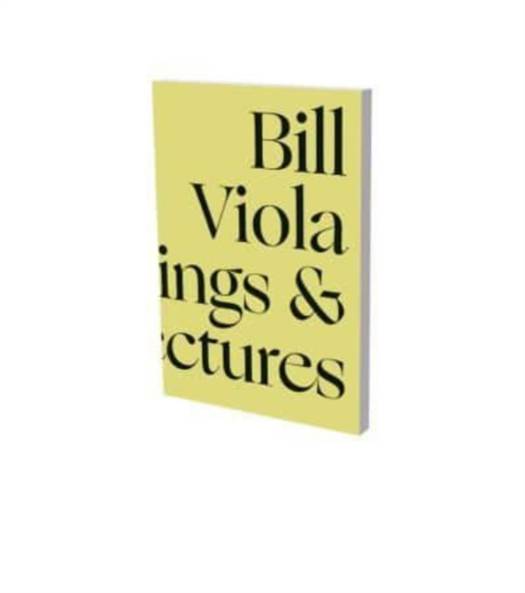
The Museum der Moderne Salzburg is dedicating a comprehensive exhibition to the US-American video and installation artist Bill Viola, offering an overview of his oeuvre that now stretches over fifty years. Viola is regarded across the world as a pioneer of video and media art. The accompanying book Bill Viola in Dialogue. Selected Writings and Lectures contains, in addition to Bill Viola's central texts (among others: The Porcupine and the Car, 1981; Sight Unseen, 1982; The Sound of One Line Scanning, 1984; The Body Asleep, 1992; Presence and Absence, 2007), as well as source texts by John Cage, Peter Campus, Hollis Frampton, David Tudor, and Peter Sellars. The volume can thus be genuinely useful for understanding Bill Viola's work. And his works, some of which are expansive and immersive, are visually seductive but at the same time highly rational and deeply intuitive. He focuses his attention on the specific interactions that occur between his images and those who observe them. In Viola's opinion, his work does not unfold its effects solely on the video screen but also, and above all, in the minds of those who have experienced it.
Specificaties
Betrokkenen
- Auteur(s):
- Uitgeverij:
Inhoud
- Aantal bladzijden:
- 304
- Taal:
- Engels
Eigenschappen
- Productcode (EAN):
- 9783864423857
- Verschijningsdatum:
- 15/03/2023
- Uitvoering:
- Paperback
- Formaat:
- Trade paperback (VS)
- Afmetingen:
- 162 mm x 238 mm
- Gewicht:
- 566 g


Alleen bij Standaard Boekhandel
+ 104 punten op je klantenkaart van Standaard Boekhandel
SOLDEN


Beoordelingen
We publiceren alleen reviews die voldoen aan de voorwaarden voor reviews. Bekijk onze voorwaarden voor reviews.