


- Afhalen na 1 uur in een winkel met voorraad
- Gratis thuislevering in België vanaf € 30
- Ruim aanbod met 7 miljoen producten
- Afhalen na 1 uur in een winkel met voorraad
- Gratis thuislevering in België vanaf € 30
- Ruim aanbod met 7 miljoen producten





€ 26,45
+ 52 punten
Omschrijving
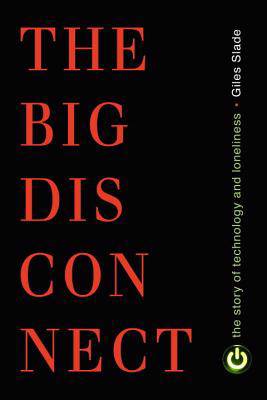
Smart phones and social media sites may be contemporary fixations, but using technology to replace face-to-face interactions is not a new cultural phenomenon. Throughout our history, intimacy with machines has often supplanted mutual human connection. This book reveals how consumer technologies changed from analgesic devices that soothed the loneliness of a newly urban generation to prosthetic interfaces that act as substitutes for companionship in modern America. The history of this transformation helps explain why we use technology to mediate our connections with other human beings instead of seeking out face-to-face contact. Do electronic interfaces receive most of our attention to the detriment of real interpersonal communication? Why do sixty million Americans report that isolation and loneliness are major sources of unhappiness? The author provides many insights into our increasingly artificial relationships and a vision for how we can rediscover genuine community and human empathy.
Specificaties
Betrokkenen
- Auteur(s):
- Uitgeverij:
Inhoud
- Aantal bladzijden:
- 306
- Taal:
- Engels
Eigenschappen
- Productcode (EAN):
- 9781616145958
- Verschijningsdatum:
- 24/08/2012
- Uitvoering:
- Paperback
- Formaat:
- Trade paperback (VS)
- Afmetingen:
- 155 mm x 229 mm
- Gewicht:
- 335 g


Alleen bij Standaard Boekhandel
+ 52 punten op je klantenkaart van Standaard Boekhandel

Beoordelingen
We publiceren alleen reviews die voldoen aan de voorwaarden voor reviews. Bekijk onze voorwaarden voor reviews.