


- Afhalen na 1 uur in een winkel met voorraad
- Gratis thuislevering in België vanaf € 30
- Ruim aanbod met 7 miljoen producten
- Afhalen na 1 uur in een winkel met voorraad
- Gratis thuislevering in België vanaf € 30
- Ruim aanbod met 7 miljoen producten





€ 195,45
+ 390 punten
Omschrijving
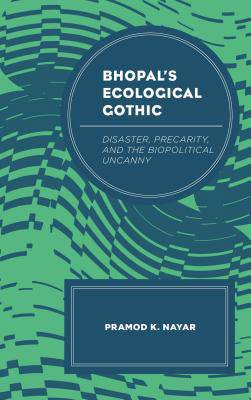
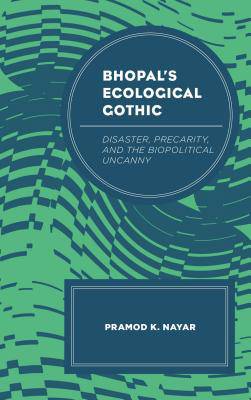
The book studies the cultural texts--fiction, protest effigies, photographs, films, reportage, eyewitness accounts, campaign posters and reports--produced around the world's worst industrial disaster: the Bhopal tragedy of 1984. It makes a case for an ecological Gothic, wherein the city, its landscape and its people are Gothicized. After tracing the history of the disaster as a history of negligence, the book proceeds in later chapters to study the coverage of the events themselves by eyewitnesses and survivors, and the remnants, in various forms, of the disaster - the haunting - within human bodies and nature. Finally, it examines the industrial ruins and the mobilization of protests against Union Carbide.
Specificaties
Betrokkenen
- Auteur(s):
- Uitgeverij:
Inhoud
- Aantal bladzijden:
- 182
- Taal:
- Engels
- Reeks:
Eigenschappen
- Productcode (EAN):
- 9781498540452
- Verschijningsdatum:
- 22/11/2017
- Uitvoering:
- Hardcover
- Formaat:
- Genaaid
- Afmetingen:
- 152 mm x 229 mm
- Gewicht:
- 439 g


Alleen bij Standaard Boekhandel
+ 390 punten op je klantenkaart van Standaard Boekhandel
Cadeau

AANGERADEN


Beoordelingen
We publiceren alleen reviews die voldoen aan de voorwaarden voor reviews. Bekijk onze voorwaarden voor reviews.