


- Afhalen na 1 uur in een winkel met voorraad
- Gratis thuislevering in België vanaf € 30
- Ruim aanbod met 7 miljoen producten
- Afhalen na 1 uur in een winkel met voorraad
- Gratis thuislevering in België vanaf € 30
- Ruim aanbod met 7 miljoen producten





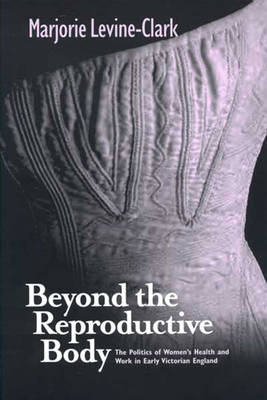
Beyond the Reproductive Body
Politics of Women's Health & Work in Early Victorian England
Marjorie Levine-Clark
€ 62,95
+ 125 punten
Eenvoudig bestellen
Veilig betalen


Gratis thuislevering vanaf € 30 (via bpost)
Gratis levering in je Standaard Boekhandel
Omschrijving
Appealing to audiences interested in the histories of medicine, women, gender, labor, and social policy, Beyond the Reproductive Body examines women's health in relation to work in early Victorian England. Government officials and reformers investigating the laboring population became convinced that the female body would be ruined by gainful employment, making women incapable of reproducing a healthy labor force. Women's work was thus framed as a public health "problem." Poor women were caught between the contradictory expectations of the reproductive body, which supposedly precluded any but domestic labor, and the able body, which dictated that all poor but healthy people must work to stay independent of state assistance. Medical case narratives of female patients show that while official pronouncements emphasized the physical limitations of the female reproductive body, poor women adopted an able-bodied norm. Beyond the Reproductive Body demonstrates the centrality of gender and the body in the formation of Victorian policies concerning employment, public health, and welfare. Focusing on poor women, it challenges historians' customary presentations of Victorian women's delicate health. The medical case narratives give voices to poor women, who have left very few written records of their own. Marjorie Levine-Clark is assistant professor of history at the University of Colorado, Denver.
Specificaties
Betrokkenen
- Auteur(s):
- Uitgeverij:
Inhoud
- Aantal bladzijden:
- 256
- Taal:
- Engels
- Reeks:
Eigenschappen
- Productcode (EAN):
- 9780814251225
- Verschijningsdatum:
- 3/03/2004
- Uitvoering:
- Paperback
- Formaat:
- Trade paperback (VS)
- Afmetingen:
- 145 mm x 229 mm
- Gewicht:
- 371 g


Alleen bij Standaard Boekhandel
+ 125 punten op je klantenkaart van Standaard Boekhandel
CADEAU

AANGERADEN


Beoordelingen
We publiceren alleen reviews die voldoen aan de voorwaarden voor reviews. Bekijk onze voorwaarden voor reviews.