


- Afhalen na 1 uur in een winkel met voorraad
- Gratis thuislevering in België vanaf € 30
- Ruim aanbod met 7 miljoen producten
- Afhalen na 1 uur in een winkel met voorraad
- Gratis thuislevering in België vanaf € 30
- Ruim aanbod met 7 miljoen producten





€ 93,95
+ 187 punten
Omschrijving
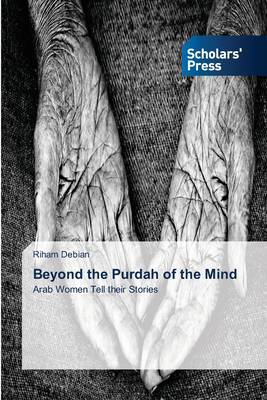
Beyond the Purdah of the Mind pursues a feminist reading of four autobiographies by three Arab women writers in an attempt to address the objectification of Arab women's identities in the veil-discourse and the incarceration of their agency in the binary-thinking with its predication of voice on the clothing item of the veil, whose absence or existence is presumed to herald either liberation, emancipation and agency or oppression, suppression and silence. The book s argument is that contrary to popular thinking and Western stereotypes, Arab women speak through both the empowering silence of the hijab and the relationality of patriarchal connectivity to produce a connective Arab female register of the self. The latter vocalize women s roles in the making of Arab modern identity and history in face of the divisive binarism of the self/other identity-politics and the destruction of masculine orchestrated wars.
Specificaties
Betrokkenen
- Auteur(s):
- Uitgeverij:
Inhoud
- Aantal bladzijden:
- 260
- Taal:
- Engels
Eigenschappen
- Productcode (EAN):
- 9783639660432
- Verschijningsdatum:
- 3/07/2014
- Uitvoering:
- Paperback
- Afmetingen:
- 150 mm x 220 mm
- Gewicht:
- 361 g


Alleen bij Standaard Boekhandel
+ 187 punten op je klantenkaart van Standaard Boekhandel
Cadeau

AANGERADEN


Beoordelingen
We publiceren alleen reviews die voldoen aan de voorwaarden voor reviews. Bekijk onze voorwaarden voor reviews.