


- Afhalen na 1 uur in een winkel met voorraad
- Gratis thuislevering in België vanaf € 30
- Ruim aanbod met 7 miljoen producten
- Afhalen na 1 uur in een winkel met voorraad
- Gratis thuislevering in België vanaf € 30
- Ruim aanbod met 7 miljoen producten





€ 63,95
+ 127 punten
Omschrijving
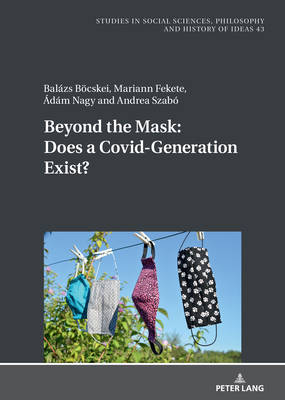
Every generation has a historical event which changes its thinking compared to those before them. But was COVID such a historical event? Has the COVID generation been born or have we reached a latent, multi-outcome state? Although the pandemic and the heightened social reflection associated with it have subsided, its scientific, particularly sociological, lessons are far from complete. Within the framework of current generational logic in sociology, a key question arises: how did young people experience and navigate the three years defined by COVID, and will today's youth cohorts organically form a distinct generation? The authors are youth researchers from several social sciences. The uniqueness of their research lies partly in its content: while it focuses on the Hungarian context, no comparable comprehensive study is known in the social sciences. It is also unique in methodology, employing a combination of focus groups, big data-based social listening techniques, and surveys.
Specificaties
Betrokkenen
- Auteur(s):
- Uitgeverij:
Inhoud
- Aantal bladzijden:
- 278
- Taal:
- Engels
- Reeks:
- Reeksnummer:
- nr. 43
Eigenschappen
- Productcode (EAN):
- 9783631939345
- Verschijningsdatum:
- 27/01/2026
- Uitvoering:
- Hardcover
- Formaat:
- Genaaid
- Afmetingen:
- 148 mm x 210 mm
- Gewicht:
- 480 g


Alleen bij Standaard Boekhandel
+ 127 punten op je klantenkaart van Standaard Boekhandel
Cadeau

AANGERADEN


Beoordelingen
We publiceren alleen reviews die voldoen aan de voorwaarden voor reviews. Bekijk onze voorwaarden voor reviews.