


- Afhalen na 1 uur in een winkel met voorraad
- Gratis thuislevering in België vanaf € 30
- Ruim aanbod met 7 miljoen producten
- Afhalen na 1 uur in een winkel met voorraad
- Gratis thuislevering in België vanaf € 30
- Ruim aanbod met 7 miljoen producten





€ 89,95
+ 179 punten
Omschrijving
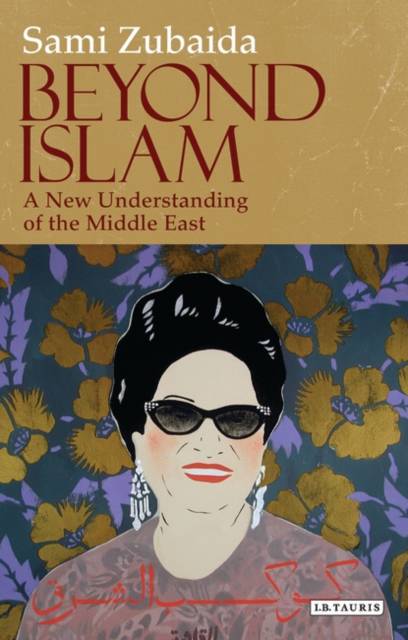
In this magisterial work, Sami Zubaida draws on a distinguished career's worth of experience trying to understand the region to address the fundamental question in Middle East studies: what is the Middle East? He argues, controversially, that to see it through the prism of Islam, as it is conventionally viewed, is to completely misunderstand it. Many of what we think of as the 'Islamic' characteristics of the region are products of culture and society, not religion.To think of Islam itself as an essential, anti-modern force in the region rather than something shaped by specific historical-economic processes is, Zubaida argues, a mistake. Instead, he offers us an alternative view of the region, its historic cosmpolitanism, its religious and cultural diversity, its rapid adoption of new media cultures, which reveals a multi-faceted and complex region teeming with multiple identities. Wide-ranging, erudite and powerfully argued, Zubaida's work will be essential reading for future generations of students of this fascinating region.
Specificaties
Betrokkenen
- Auteur(s):
- Uitgeverij:
Inhoud
- Aantal bladzijden:
- 240
- Taal:
- Engels
- Reeks:
- Reeksnummer:
- nr. 84
Eigenschappen
- Productcode (EAN):
- 9781848850705
- Verschijningsdatum:
- 15/01/2011
- Uitvoering:
- Paperback
- Formaat:
- Trade paperback (VS)
- Afmetingen:
- 137 mm x 211 mm
- Gewicht:
- 235 g


Alleen bij Standaard Boekhandel
+ 179 punten op je klantenkaart van Standaard Boekhandel
Cadeau

AANGERADEN


Beoordelingen
We publiceren alleen reviews die voldoen aan de voorwaarden voor reviews. Bekijk onze voorwaarden voor reviews.