



- Afhalen na 1 uur in een winkel met voorraad
- In januari gratis thuislevering in België
- Ruim aanbod met 7 miljoen producten
- Afhalen na 1 uur in een winkel met voorraad
- In januari gratis thuislevering in België
- Ruim aanbod met 7 miljoen producten





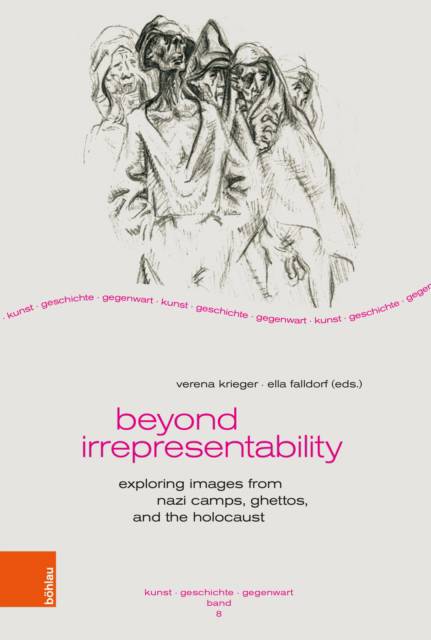
Beyond Irrepresentability
Exploring Visual Representations from Nazi Camps, Ghettos, and the Holocaust
€ 73,95
+ 147 punten
Uitvoering
Omschrijving
Despite the doubts about the representability of the Holocaust, thousands of images were created by prisoners in Nazi camps and ghettos during and immediately after the Holocaust. Yet, both art historians and historians rarely dealt with them for decades. Because of their mostly figurative language, researchers and memory institutions often relegated such images to the status of spiritual and political resistance, praised their artistic quality, or consulted them as illustrations of "how it was". But these images do not speak for themselves, they require analysis. In this volume, 19 international scholars, curators, and educators explore the potential of analytical approaches to drawings, albums, paintings, and prints created by victims and witnesses of the Nazi regime. They consolidate current approaches to these multifaceted objects and take the images seriously as images.
Specificaties
Betrokkenen
- Uitgeverij:
Inhoud
- Aantal bladzijden:
- 352
- Taal:
- Engels
- Reeks:
- Reeksnummer:
- nr. 8
Eigenschappen
- Productcode (EAN):
- 9783412533786
- Verschijningsdatum:
- 13/10/2025
- Uitvoering:
- Paperback
- Formaat:
- Trade paperback (VS)
- Afmetingen:
- 154 mm x 230 mm
- Gewicht:
- 639 g

Alleen bij Standaard Boekhandel
+ 147 punten op je klantenkaart van Standaard Boekhandel
Cadeau

AANGERADEN


Beoordelingen
We publiceren alleen reviews die voldoen aan de voorwaarden voor reviews. Bekijk onze voorwaarden voor reviews.