


- Afhalen na 1 uur in een winkel met voorraad
- Gratis thuislevering in België vanaf € 30
- Ruim aanbod met 7 miljoen producten
- Afhalen na 1 uur in een winkel met voorraad
- Gratis thuislevering in België vanaf € 30
- Ruim aanbod met 7 miljoen producten






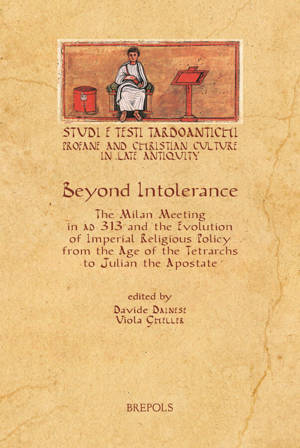
Beyond Intolerance
The Meeting of Milan of 313 AD and the Evolution of Imperial Religious Policy from the Age of the Tetrarchs to Julian the Apostate
Davide Dainese
€ 116,60
+ 233 punten
Omschrijving
313 AD is generally considered as a turning point in religious and political Western history. The meeting of Constantine and Licinius in Milan and the subsequent edict not only recognised to the Christians the right to assemble and practice their cults, but opened the way to the Christianisation of Roman imperial structures and, finally, to the declaration of Christianity as the only allowed religion in the Roman Empire. The papers summoned in this volume tackle this complex historical phase from a number of perspectives (from Church history and theology to political and juridical history), following a strongly multidisciplinary approach. The chronological schope, stretching from the decades preceding the meeting of 313 to the reign of Julian the Apostate, permits to highlight both the cultural, political and juridical premises of Constantine and Licinius' decisions and the way they affected a number of aspects of everyday life within the Empire's borders, until Julian's pagan restoration and beyond it.
Specificaties
Betrokkenen
- Auteur(s):
- Uitgeverij:
Inhoud
- Aantal bladzijden:
- 220
- Taal:
- Engels, Italiaans
- Reeks:
- Reeksnummer:
- nr. 14
Eigenschappen
- Productcode (EAN):
- 9782503574493
- Verschijningsdatum:
- 15/11/2018
- Uitvoering:
- Paperback
- Formaat:
- Trade paperback (VS)
- Afmetingen:
- 155 mm x 234 mm
- Gewicht:
- 544 g


Alleen bij Standaard Boekhandel
+ 233 punten op je klantenkaart van Standaard Boekhandel
CADEAU

AANGERADEN


Beoordelingen
We publiceren alleen reviews die voldoen aan de voorwaarden voor reviews. Bekijk onze voorwaarden voor reviews.