


- Afhalen na 1 uur in een winkel met voorraad
- Gratis thuislevering in België vanaf € 30
- Ruim aanbod met 7 miljoen producten
- Afhalen na 1 uur in een winkel met voorraad
- Gratis thuislevering in België vanaf € 30
- Ruim aanbod met 7 miljoen producten





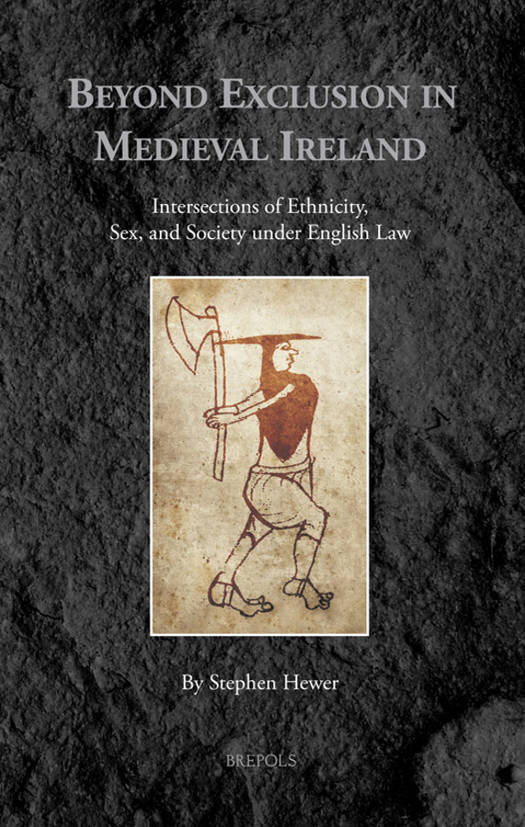
Beyond Exclusion in Medieval Ireland
Intersections of Ethnicity, Sex, and Society Under English Law
Stephen Hewer
€ 106,00
+ 212 punten
Omschrijving
The notion that all Gaelic peoples were immediately and ipso facto denied access to the English royal courts in Ireland, upon the advent of the English in 1167, has become so accepted in academic and popular histories of Ireland that it is no longer questioned. This book tackles this narrative of absolute ethnic discrimination in thirteenth- and early fourteenth-century English Ireland on the basis of a thorough re-examination of the Irish plea rolls. A forensic study of these records reveals a great deal of variation in how members of various ethnic groups and women who came before the royal courts in Ireland were treated. Specifically, it demonstrates the existence of a large, and hitherto scarcely noticed, population of Gaels with regular and unimpeded access to English law, identifiable as Gaelic either through explicit ethnic labelling in the records or implicitly through their naming practices.
Specificaties
Betrokkenen
- Auteur(s):
- Uitgeverij:
Inhoud
- Aantal bladzijden:
- 338
- Taal:
- Engels
- Reeks:
- Reeksnummer:
- nr. 10
Eigenschappen
- Productcode (EAN):
- 9782503594576
- Verschijningsdatum:
- 11/02/2022
- Uitvoering:
- Hardcover
- Formaat:
- Genaaid
- Gewicht:
- 1460 g


Alleen bij Standaard Boekhandel
+ 212 punten op je klantenkaart van Standaard Boekhandel
Cadeau

AANGERADEN


Beoordelingen
We publiceren alleen reviews die voldoen aan de voorwaarden voor reviews. Bekijk onze voorwaarden voor reviews.