


- Afhalen na 1 uur in een winkel met voorraad
- Gratis thuislevering in België vanaf € 30
- Ruim aanbod met 7 miljoen producten
- Afhalen na 1 uur in een winkel met voorraad
- Gratis thuislevering in België vanaf € 30
- Ruim aanbod met 7 miljoen producten





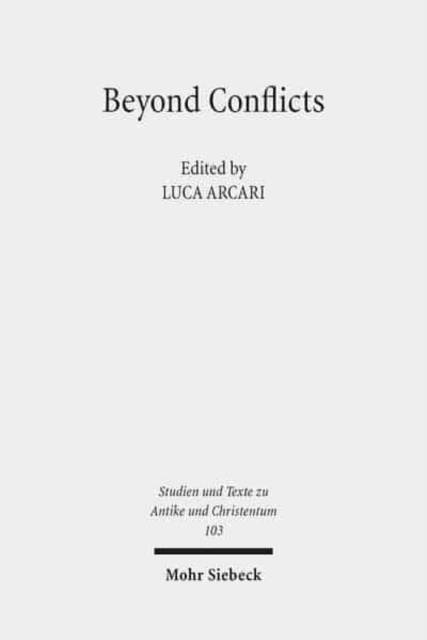
Beyond Conflicts
Cultural and Religious Cohabitations in Alexandria and Egypt Between the 1st and the 6th Century CE
€ 114,95
+ 229 punten
Omschrijving
It cannot be doubted that there were various ways of interaction between different groups in Graeco-Roman Egypt, as a number of more or less recent regional studies have further reinforced. And as is well-known, Egypt emerges as a sort of exception in the study of ancient cultures and religions, providing scholars with the possibility of relying on a great number and variety of documents. The main goal of this volume is to interactively explore the diversity of documentary material. In socio-cultural terms, such an analysis corroborates the image of Egypt as a pervasive cultural system where for many centuries different elites coagulated themselves around a number of standard modalities to produce "cultural" and "religious" micro-systems. This shows that people, even when different languages and textual practices survive, respond to specific modalities of cohabitation under the umbrella of this hegemonic cultural "field."
Specificaties
Betrokkenen
- Uitgeverij:
Inhoud
- Aantal bladzijden:
- 460
- Taal:
- Engels
- Reeks:
Eigenschappen
- Productcode (EAN):
- 9783161551444
- Verschijningsdatum:
- 1/05/2017
- Uitvoering:
- Paperback
- Formaat:
- Trade paperback (VS)
- Afmetingen:
- 155 mm x 231 mm
- Gewicht:
- 716 g

Alleen bij Standaard Boekhandel
+ 229 punten op je klantenkaart van Standaard Boekhandel

Beoordelingen
We publiceren alleen reviews die voldoen aan de voorwaarden voor reviews. Bekijk onze voorwaarden voor reviews.