


- Afhalen na 1 uur in een winkel met voorraad
- Gratis thuislevering in België vanaf € 30
- Ruim aanbod met 7 miljoen producten
- Afhalen na 1 uur in een winkel met voorraad
- Gratis thuislevering in België vanaf € 30
- Ruim aanbod met 7 miljoen producten





€ 77,95
+ 155 punten
Omschrijving
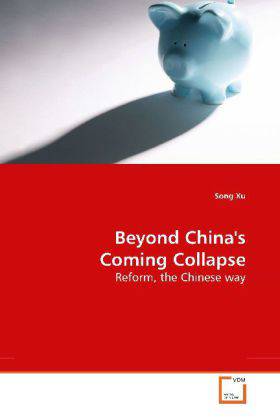
China is undergoing a dramatic economic revolution. This has posed many policy challenges for the government. One area of concern is the strength of the banking and finance sector and whether it can be modernised without collapsing. This book is a study of banking and finance sector reform during the decade surrounding China s accession to the World Trade Organisation in 2001. The book examines the complex relationship between banking reform, the emergence of the Chinese stock market and the challenge of reforming state owned industries. The author assesses the government s cautious approach to reform, which the Chinese call crossing the river by feeling the stones , through a highly original exploration of debates among Chinese economists and policy makers. Many of these perspectives on reform are introduced to a western audience for the first time. Contrary to some believes what can be described to be ''doom and groom'', the author is cautiously optimistic that the government s current approach to banking and finance reform will succeed.
Specificaties
Betrokkenen
- Auteur(s):
- Uitgeverij:
Inhoud
- Aantal bladzijden:
- 304
- Taal:
- Engels
Eigenschappen
- Productcode (EAN):
- 9783639192186
- Uitvoering:
- Paperback
- Afmetingen:
- 220


Alleen bij Standaard Boekhandel
+ 155 punten op je klantenkaart van Standaard Boekhandel
CADEAU


Beoordelingen
We publiceren alleen reviews die voldoen aan de voorwaarden voor reviews. Bekijk onze voorwaarden voor reviews.