


- Afhalen na 1 uur in een winkel met voorraad
- Gratis thuislevering in België vanaf € 30
- Ruim aanbod met 7 miljoen producten
- Afhalen na 1 uur in een winkel met voorraad
- Gratis thuislevering in België vanaf € 30
- Ruim aanbod met 7 miljoen producten


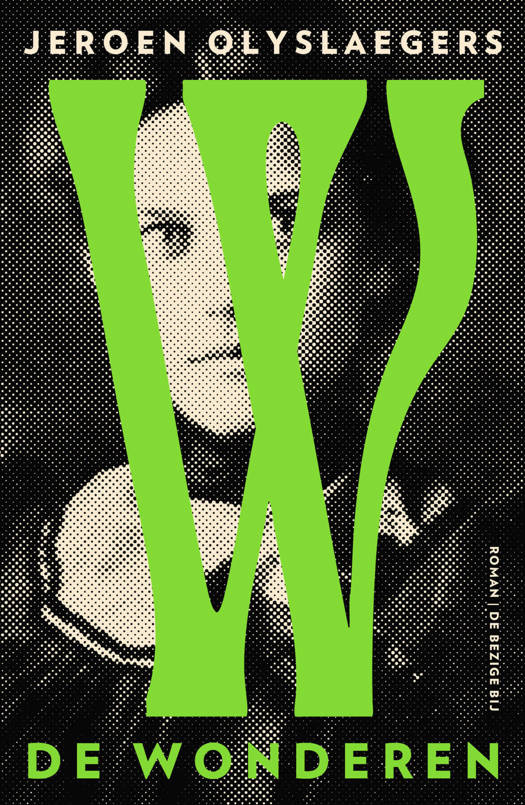


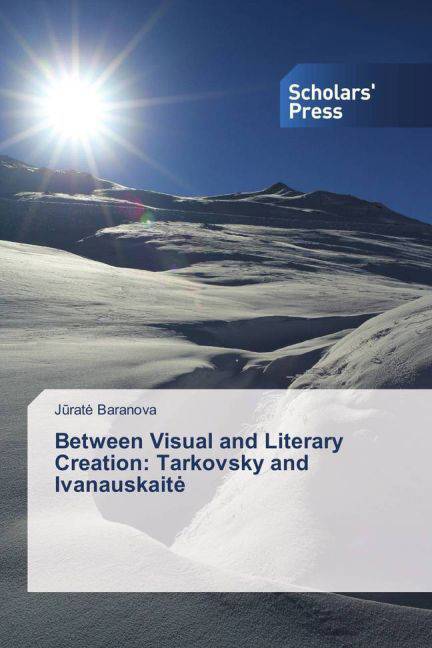
Between Visual and Literary Creation: Tarkovsky and Ivanauskait
Tarkovsky and Ivanauskaite
J rat Baranova
Paperback | Engels
€ 71,45
+ 142 punten
Omschrijving
When traveling in Tibet, Lithuanian writer and artist Ivanauskait visited the lake of Mansarovar thirty kilometers from Mount Kailash, and in her voyage diary she inscribed the impression: "This is the landscape in which Andrei Tarkovsky without any decoration would have been able to shoot 'Solaris' or 'Stalker'. It is a space in which the words and the concepts lose their activity..." Is it possible to reflect arts, cinema and literature as the moments of one homogeneous becoming of creativity? Or are these two spheres - of the written word and the visual image - separated by an indispensable gap? This study tries to answer the question relying on creation and reflections of two artists from this in-between territory: Russian film director Andrei Tarkovsky (1932-1986) and Lithuanian writer, artist, traveler Jurga Ivanauskait (1961-2007).
Specificaties
Betrokkenen
- Auteur(s):
- Uitgeverij:
Inhoud
- Aantal bladzijden:
- 164
- Taal:
- Engels
Eigenschappen
- Productcode (EAN):
- 9783639765069
- Verschijningsdatum:
- 25/06/2015
- Uitvoering:
- Paperback
- Afmetingen:
- 150 mm x 220 mm
- Gewicht:
- 234 g


Alleen bij Standaard Boekhandel
+ 142 punten op je klantenkaart van Standaard Boekhandel
CADEAU


Beoordelingen
We publiceren alleen reviews die voldoen aan de voorwaarden voor reviews. Bekijk onze voorwaarden voor reviews.