


- Afhalen na 1 uur in een winkel met voorraad
- Gratis thuislevering in België vanaf € 30
- Ruim aanbod met 7 miljoen producten
- Afhalen na 1 uur in een winkel met voorraad
- Gratis thuislevering in België vanaf € 30
- Ruim aanbod met 7 miljoen producten




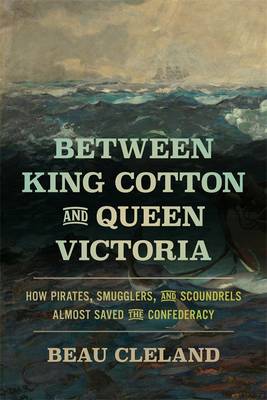
Between King Cotton and Queen Victoria
How Pirates, Smugglers, and Scoundrels Almost Saved the Confederacy
Beau Cleland
€ 203,45
+ 406 punten
Uitvoering
Omschrijving
Between King Cotton and Queen Victoria recenters our understanding of the Civil War by framing it as a hemispheric affair, deeply influenced by the actions of a network of private parties and minor officials in the Confederacy and British territory in and around North America. John Wilkes Booth likely would not have been in a position to assassinate Abraham Lincoln, for example, without the logistical support and assistance of the pro-Confederate network in Canada. That network, to which he was personally introduced in Montreal in the fall of 1864, was hosted and facilitated by willing colonials across the hemisphere. Many of its Confederate members arrived in British North America via a long-established transportation and communications network built around British colonies, especially Bermuda and the Bahamas, whose primary purpose was running the blockade. It is difficult to overstate how essential blockade running was for the rebellion's survival, and it would have been impossible without the aid of sympathetic colonials. The operations of this informal, semiprivate network were of enormous consequence for the course of the war and its aftermath, and our understanding of the Civil War is incomplete without a deeper reckoning with the power and potential for chaos of these private networks imbued with the power of a state.
Specificaties
Betrokkenen
- Auteur(s):
- Uitgeverij:
Inhoud
- Aantal bladzijden:
- 296
- Taal:
- Engels
- Reeks:
Eigenschappen
- Productcode (EAN):
- 9780820375250
- Verschijningsdatum:
- 1/12/2025
- Uitvoering:
- Hardcover
- Formaat:
- Genaaid
- Afmetingen:
- 152 mm x 229 mm
- Gewicht:
- 566 g


Alleen bij Standaard Boekhandel
+ 406 punten op je klantenkaart van Standaard Boekhandel
AANGERADEN


Beoordelingen
We publiceren alleen reviews die voldoen aan de voorwaarden voor reviews. Bekijk onze voorwaarden voor reviews.