


- Afhalen na 1 uur in een winkel met voorraad
- Gratis thuislevering in België vanaf € 30
- Ruim aanbod met 7 miljoen producten
- Afhalen na 1 uur in een winkel met voorraad
- Gratis thuislevering in België vanaf € 30
- Ruim aanbod met 7 miljoen producten




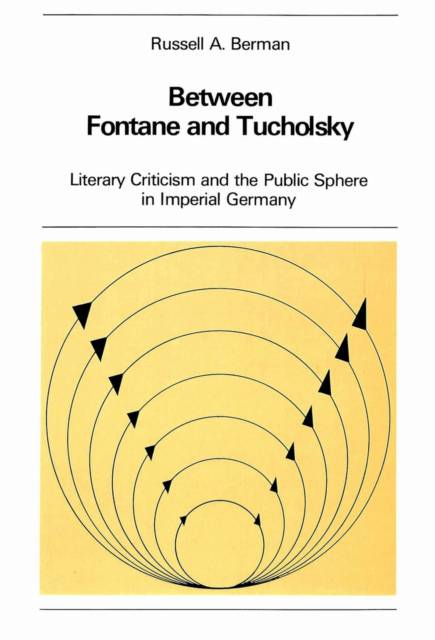
Between Fontane and Tucholsky
Literary Criticism and the Public Sphere in Imperial Germany
Russel A Bermann
€ 26,45
+ 52 punten
Omschrijving
This investigation examines the emergence of a specifically modern literary critical discourse in Germany at the turn-of-the-century. The commercialization and industrialization of the press contributed to the reorganization of the public sphere and posed new problems for the critic facing an anonymous and heterogeneous public. The rapid transformation of criticism during this important period is described both in sociological terms and with references to specific texts by figures such as Theodor Fontane, Otto Brahm, Alfred Kerr, Kurt Tucholsky and others. The relationship between subjective discourse and political engagement is explored, an antimodernist hostility toward criticism is portrayed, and ties to the status of contemporary West German literary criticism are drawn.
Specificaties
Betrokkenen
- Auteur(s):
- Uitgeverij:
Inhoud
- Aantal bladzijden:
- 176
- Taal:
- Engels
- Reeks:
- Reeksnummer:
- nr. 17
Eigenschappen
- Productcode (EAN):
- 9780820400129
- Verschijningsdatum:
- 31/12/1983
- Uitvoering:
- Paperback
- Formaat:
- Trade paperback (VS)
- Afmetingen:
- 209 mm x 149 mm
- Gewicht:
- 249 g


Alleen bij Standaard Boekhandel
+ 52 punten op je klantenkaart van Standaard Boekhandel
Cadeau

AANGERADEN


Beoordelingen
We publiceren alleen reviews die voldoen aan de voorwaarden voor reviews. Bekijk onze voorwaarden voor reviews.