


- Afhalen na 1 uur in een winkel met voorraad
- Gratis thuislevering in België vanaf € 30
- Ruim aanbod met 7 miljoen producten
- Afhalen na 1 uur in een winkel met voorraad
- Gratis thuislevering in België vanaf € 30
- Ruim aanbod met 7 miljoen producten





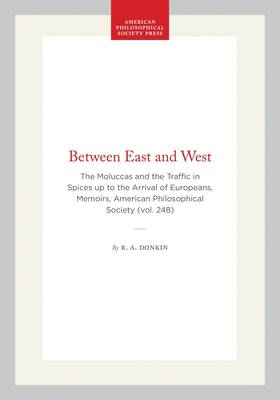
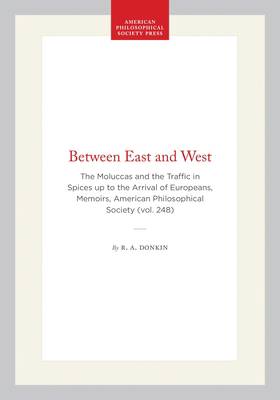
Between East and West
The Moluccas and the Traffic in Spices Up to the Arrival of Europeans, Memoirs, American Philosophical Society (Vol. 248)
R a Donkin
€ 86,45
+ 172 punten
Omschrijving
Up to & including the Age of Discoveries, the wealth of the East was thought in Europe to consist primarily of spices & aromatics. Cloves, nutmeg, mace, & sandalwood all were thought to come from a few small islands in easternmost Indonesia, which no European reached before 1500. Yet supplies of these luxury products were reaching China, India, western Asia, & the Mediterranean lands more than a thousand years earlier. This study of Moluccan spices opens with their natural history & nomenclature, & the discovery of the Islands by Europeans near the opposing (& controversial) limits of Spanish & Portuguese jurisdiction. Donkin traces the expanding interest & long-distance trade in cloves, nutmeg, & sandalwood, first to India & then to the adjacent Arabo-Persian world. The medieval West & China lay on the margins of diffusion, the former in touch with the Levant, the latter with the trading world of South East Asia.
Specificaties
Betrokkenen
- Auteur(s):
- Uitgeverij:
Inhoud
- Aantal bladzijden:
- 274
- Taal:
- Engels
- Reeks:
- Reeksnummer:
- nr. 248
Eigenschappen
- Productcode (EAN):
- 9780871692481
- Verschijningsdatum:
- 1/01/2003
- Uitvoering:
- Hardcover
- Formaat:
- Genaaid
- Afmetingen:
- 178 mm x 254 mm
- Gewicht:
- 730 g


Alleen bij Standaard Boekhandel
+ 172 punten op je klantenkaart van Standaard Boekhandel

Beoordelingen
We publiceren alleen reviews die voldoen aan de voorwaarden voor reviews. Bekijk onze voorwaarden voor reviews.