


- Afhalen na 1 uur in een winkel met voorraad
- Gratis thuislevering in België vanaf € 30
- Ruim aanbod met 7 miljoen producten
- Afhalen na 1 uur in een winkel met voorraad
- Gratis thuislevering in België vanaf € 30
- Ruim aanbod met 7 miljoen producten





€ 143,10
+ 286 punten
Omschrijving
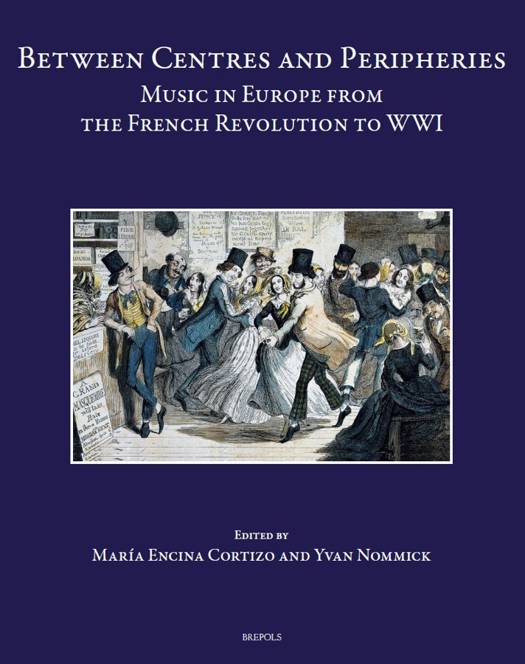
This volume revisits the artificial and enormously limiting historiographical concepts of centre and periphery in European musical life throughout the long 19th century and until the outbreak of the First World War. In this period, music played a prominent role, and cities such as Paris, Vienna, Milan or London, real laboratories of artistic creation, became social and cultural references for the rest of the continent, whose inhabitants strove to imitate their musical habits such as concert and theatrical life, soirees, parties or musical promenades. From diverse perspectives, this volume rethinks the singularity, influence and connections of different European musical centres, analysing the reproduction of cultural models and the conflicts that these models imposed on the peripheries, most of which have been ignored in the historiography of Western European music. In addition, it will also address the birth of musico-national languages situated on the European geographical margins, that develop interesting synergies between universality and nationality. The peripheral models of musical production and circulation in contexts far from the usual musical venues will also be addressed, as well as the derived cultural transfers.
Specificaties
Betrokkenen
- Auteur(s):
- Uitgeverij:
Inhoud
- Aantal bladzijden:
- 434
- Taal:
- Frans
- Reeks:
- Reeksnummer:
- nr. 3
Eigenschappen
- Productcode (EAN):
- 9782503608488
- Verschijningsdatum:
- 21/12/2023
- Uitvoering:
- Hardcover
- Formaat:
- Genaaid
- Gewicht:
- 1469 g



Alleen bij Standaard Boekhandel
+ 286 punten op je klantenkaart van Standaard Boekhandel
Cadeau

AANGERADEN


Beoordelingen
We publiceren alleen reviews die voldoen aan de voorwaarden voor reviews. Bekijk onze voorwaarden voor reviews.