


- Afhalen na 1 uur in een winkel met voorraad
- Gratis thuislevering in België vanaf € 30
- Ruim aanbod met 7 miljoen producten
- Afhalen na 1 uur in een winkel met voorraad
- Gratis thuislevering in België vanaf € 30
- Ruim aanbod met 7 miljoen producten





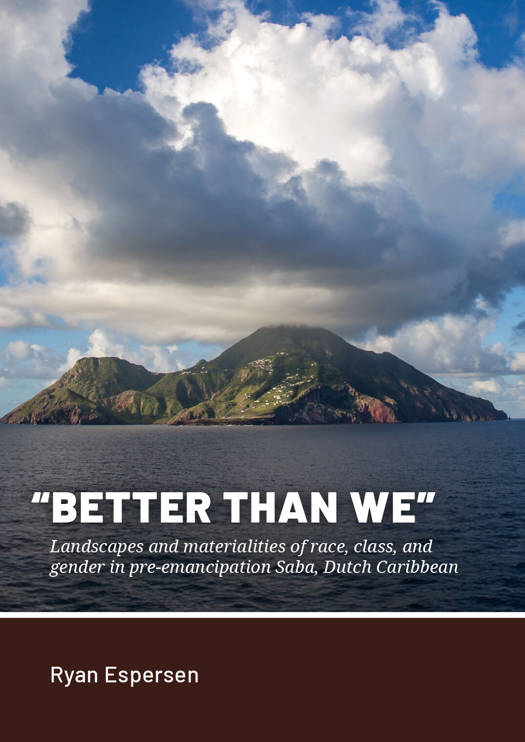
"Better Than We"
Landscapes and Materialities of Race, Class, and Gender in Pre-Emancipation Saba, Dutch Caribbean
Ryan Espersen
€ 120,00
+ 240 punten
Uitvoering
Omschrijving
This study aims to understand the materiality of Saba's ideological landscape during its pre-emancipation colonial period. This is accomplished by understanding the dialectics, or inseparable relationships, between Saba's geography, locally-situated ideologies of class, race, and gender in Saba's social environment, and the processes behind these ideological relations that contributed to the material things that are found across Saba's social landscape.
This provides insights into archaeologies of poverty, approaches towards differentiating between low class and slavery in the archaeological record, and the importance of powered perspectives in defining and situating poverty on local and regional scales.
This provides insights into archaeologies of poverty, approaches towards differentiating between low class and slavery in the archaeological record, and the importance of powered perspectives in defining and situating poverty on local and regional scales.
Specificaties
Betrokkenen
- Auteur(s):
- Uitgeverij:
Inhoud
- Aantal bladzijden:
- 402
- Taal:
- Engels
- Reeks:
Eigenschappen
- Productcode (EAN):
- 9789464270792
- Verschijningsdatum:
- 18/04/2024
- Uitvoering:
- Hardcover
- Formaat:
- Genaaid
- Afmetingen:
- 178 mm x 254 mm
- Gewicht:
- 1300 g


Alleen bij Standaard Boekhandel
+ 240 punten op je klantenkaart van Standaard Boekhandel

Beoordelingen
We publiceren alleen reviews die voldoen aan de voorwaarden voor reviews. Bekijk onze voorwaarden voor reviews.