


- Afhalen na 1 uur in een winkel met voorraad
- Gratis thuislevering in België vanaf € 30
- Ruim aanbod met 7 miljoen producten
- Afhalen na 1 uur in een winkel met voorraad
- Gratis thuislevering in België vanaf € 30
- Ruim aanbod met 7 miljoen producten





€ 305,45
+ 610 punten
Omschrijving
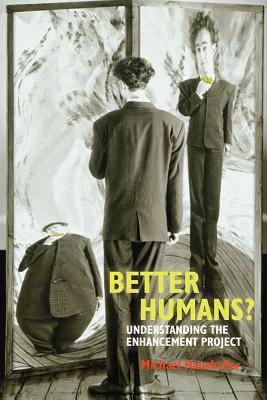
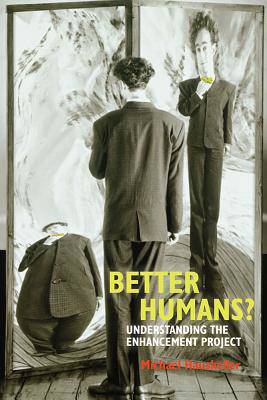
Developments in medical science have afforded us the opportunity to improve and enhance the human species in ways unthinkable to previous generations. Whether it's making changes to mitochondrial DNA in a human egg, being prescribed Prozac, or having a facelift, our desire to live longer, feel better and look good has presented philosophers, medical practitioners and policy-makers with considerable ethical challenges. But what exactly constitutes human improvement? What do we mean when we talk of making "better" humans? In this book Michael Hauskeller explores these questions and the ideas of human good that underpin them. Posing some challenging questions about the nature of human enhancement, he interrogates the logic behind its processes and examines the justifications behind its criteria. Questioning common assumptions about what constitutes human improvement, Hauskeller asks whether the criteria proposed by its advocates are convincing. The book draws on recent research as well as popular representations of human enhancement from advertising to the internet, and provides a non-technical and accessible survey of the issues for readers and students interested in the ethics and politics of human enhancement.
Specificaties
Betrokkenen
- Auteur(s):
- Uitgeverij:
Inhoud
- Aantal bladzijden:
- 240
- Taal:
- Engels
Eigenschappen
- Productcode (EAN):
- 9781844655564
- Verschijningsdatum:
- 26/04/2013
- Uitvoering:
- Hardcover
- Formaat:
- Genaaid
- Afmetingen:
- 140 mm x 216 mm
- Gewicht:
- 399 g


Alleen bij Standaard Boekhandel
+ 610 punten op je klantenkaart van Standaard Boekhandel
Cadeau

AANGERADEN


Beoordelingen
We publiceren alleen reviews die voldoen aan de voorwaarden voor reviews. Bekijk onze voorwaarden voor reviews.