


- Afhalen na 1 uur in een winkel met voorraad
- Gratis thuislevering in België vanaf € 30
- Ruim aanbod met 7 miljoen producten
- Afhalen na 1 uur in een winkel met voorraad
- Gratis thuislevering in België vanaf € 30
- Ruim aanbod met 7 miljoen producten





€ 203,95
+ 407 punten
Uitvoering
Omschrijving
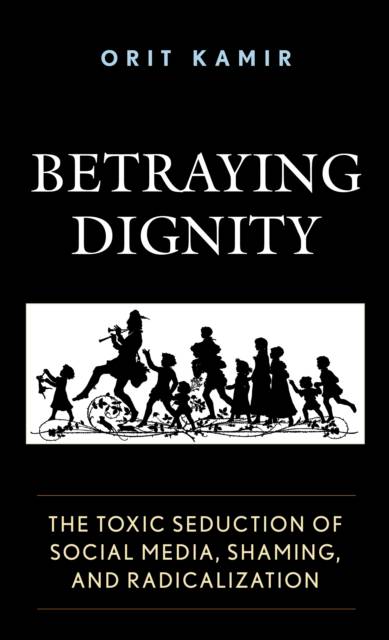
What do medieval knights, suicide bombers and "victimhood culture" have in common? Betraying Dignity argues that in the second decade of the twenty-first century, individuals, political parties and nations around the world are abandoning the dignity-based culture we established in the aftermath of two world wars, less than a century ago. Disappointed or intimidated, many turn their backs on the humanitarian, universalistic culture that presumes our inherent human dignity and celebrates it as the basis of every individual's equal human rights. Instead, people and nations are returning to a much older, honor-based cultural structure. Because its ancient logic and mentality take new forms (such as social network shaming and certain aspects of "victimhood culture") -- we fail to recognize them, and overlook the pitfalls of the old honor-based structure. Narrating the history of honor-based societies, this book distinguishes their underlying principle from the post-WWII notion of dignity that underlies human rights. It makes the case that in order to revive and strengthen dignity-based culture, the concept of human dignity must be defined narrowly and succinctly, and enhanced with the principle of respect. Continuing its historical and cultural narrative, the book discusses contemporary phenomena such as al-Qaeda terrorists, shaming via social network, FoMO, and some features of the emerging "victimhood culture". The book pays homage to Erich Fromm's classic Escape from Freedom.
Specificaties
Betrokkenen
- Auteur(s):
- Uitgeverij:
Inhoud
- Aantal bladzijden:
- 206
- Taal:
- Engels
- Reeks:
Eigenschappen
- Productcode (EAN):
- 9781683932031
- Verschijningsdatum:
- 31/10/2019
- Uitvoering:
- Hardcover
- Formaat:
- Genaaid
- Afmetingen:
- 155 mm x 231 mm
- Gewicht:
- 498 g


Alleen bij Standaard Boekhandel
+ 407 punten op je klantenkaart van Standaard Boekhandel
Cadeau

AANGERADEN


Beoordelingen
We publiceren alleen reviews die voldoen aan de voorwaarden voor reviews. Bekijk onze voorwaarden voor reviews.