


- Afhalen na 1 uur in een winkel met voorraad
- Gratis thuislevering in België vanaf € 30
- Ruim aanbod met 7 miljoen producten
- Afhalen na 1 uur in een winkel met voorraad
- Gratis thuislevering in België vanaf € 30
- Ruim aanbod met 7 miljoen producten





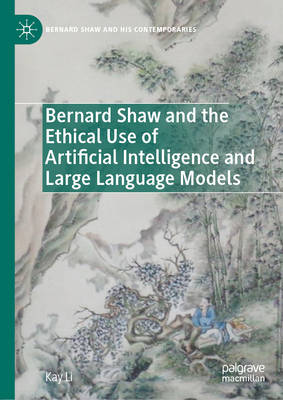
Bernard Shaw and the Ethical Use of Artificial Intelligence and Large Language Models
Kay Li
€ 43,45
+ 86 punten
Omschrijving
This book is the first to use artificial intelligence, especially large language models (LLMs) such as ChatGPT, to examine how Bernard Shaw's plays illuminate contemporary debates about the ethical use of AI. It analyzes major works including Back to Methuselah, Major Barbara, Arms and the Man, Man and Superman, Pygmalion, and Heartbreak House, situating them within the vast literary, cultural, and philosophical contexts of Shaw's time. Through AI-assisted readings, the study explores Shavian advocacies such as power, love, the Life Force and Creative Evolution, the emergence of the Superman, and the need for governance. The book also evaluates the strengths and risks of LLMs, including hallucinations, bias, potential autonomy, user over-dependence, and the lack of accountability in AI systems. It demonstrates how Reinforcement Learning from Human Feedback and careful prompt engineering can help mitigate these concerns. Strikingly, Shaw's warnings to humanity resonate closely with today's urgent questions about responsible AI.
Specificaties
Betrokkenen
- Auteur(s):
- Uitgeverij:
Inhoud
- Aantal bladzijden:
- 237
- Taal:
- Engels
- Reeks:
Eigenschappen
- Productcode (EAN):
- 9783032165503
- Verschijningsdatum:
- 19/05/2026
- Uitvoering:
- Hardcover
- Formaat:
- Genaaid
- Afmetingen:
- 148 mm x 210 mm


Alleen bij Standaard Boekhandel
+ 86 punten op je klantenkaart van Standaard Boekhandel
Cadeau

AANGERADEN


Beoordelingen
We publiceren alleen reviews die voldoen aan de voorwaarden voor reviews. Bekijk onze voorwaarden voor reviews.