


- Afhalen na 1 uur in een winkel met voorraad
- Gratis thuislevering in België vanaf € 30
- Ruim aanbod met 7 miljoen producten
- Afhalen na 1 uur in een winkel met voorraad
- Gratis thuislevering in België vanaf € 30
- Ruim aanbod met 7 miljoen producten





€ 74,45
+ 148 punten
Omschrijving
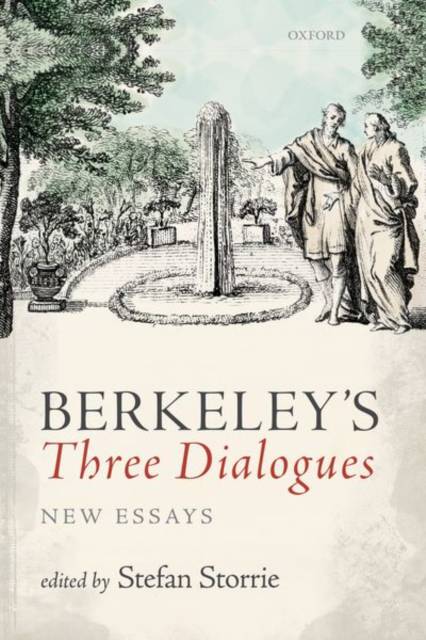
This is the first volume of essays devoted to Berkeley's Three Dialogues between Hylas and Philonous, a classic of early modern philosophy. Leading experts examine all the central issues in Berkeley's work. The Three Dialogues is a dramatization of Berkeley's philosophy in which the two protagonists Hylas and Philonous debate the full range of Berkeleyan themes: the rejection of material substance, the nature of perception and reality, the limits of human knowledge, and his approach to the perceived threats of skepticism, atheism and immorality. When Berkeley presented his first statement of his immaterialist philosophy in the Principles of Human Knowledge three years earlier he was met with incredulity - how could a sane person deny the existence of matter? Berkeley felt that a new approach was needed in order to bring people over to his novel point of view. This new effort was the Three Dialogues. In the preface to the Three Dialogues Berkeley stated that its aim was to "treat
more clearly and fully of certain principles laid down" in the Principles. Esteem for Berkeley's work has increased significantly in recent decades, and this volume will be the starting-point for future research.
more clearly and fully of certain principles laid down" in the Principles. Esteem for Berkeley's work has increased significantly in recent decades, and this volume will be the starting-point for future research.
Specificaties
Betrokkenen
- Auteur(s):
- Uitgeverij:
Inhoud
- Aantal bladzijden:
- 230
- Taal:
- Engels
Eigenschappen
- Productcode (EAN):
- 9780198755685
- Verschijningsdatum:
- 25/03/2018
- Uitvoering:
- Hardcover
- Formaat:
- Genaaid
- Afmetingen:
- 163 mm x 236 mm
- Gewicht:
- 566 g



Alleen bij Standaard Boekhandel
+ 148 punten op je klantenkaart van Standaard Boekhandel
Cadeau

AANGERADEN


Beoordelingen
We publiceren alleen reviews die voldoen aan de voorwaarden voor reviews. Bekijk onze voorwaarden voor reviews.