


- Afhalen na 1 uur in een winkel met voorraad
- Gratis thuislevering in België vanaf € 30
- Ruim aanbod met 7 miljoen producten
- Afhalen na 1 uur in een winkel met voorraad
- Gratis thuislevering in België vanaf € 30
- Ruim aanbod met 7 miljoen producten





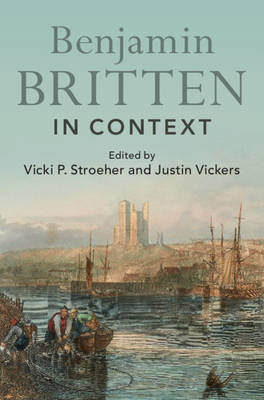
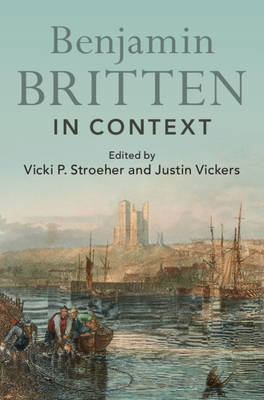
Benjamin Britten in Context
€ 207,95
+ 415 punten
Omschrijving
Benjamin Britten, pianist, conductor, educator, composer of a wide range of music from large-scale operas and choral works to string quartets and songs, is acknowledged as a pivotal figure in mid-twentieth-century Britain. This volume explores the contexts for his multi-faceted career and his engagement with his contemporaries in music, art, literature, and film, British musical institutions, royal and governmental entities, and the church, as well as his ground-breaking projects, philosophical and ideological tenets. The book is thematically structured in five parts: Britten's relationships with Peter Pears, his close friends, mentors, and colleagues; musical life in Britain; his interactions with previous and contemporary generations of composers; his professional work with choreographers, librettists, stage designers, and directors; and his socio-cultural, religious, and political environment. The chapters shed light on the many opportunities and challenges of post-war British musical life that shaped Britten's creative output.
Specificaties
Betrokkenen
- Uitgeverij:
Inhoud
- Aantal bladzijden:
- 426
- Taal:
- Engels
- Reeks:
Eigenschappen
- Productcode (EAN):
- 9781108496698
- Verschijningsdatum:
- 21/04/2022
- Uitvoering:
- Hardcover
- Formaat:
- Genaaid
- Afmetingen:
- 157 mm x 234 mm
- Gewicht:
- 771 g

Alleen bij Standaard Boekhandel
+ 415 punten op je klantenkaart van Standaard Boekhandel
Cadeau

AANGERADEN


Beoordelingen
We publiceren alleen reviews die voldoen aan de voorwaarden voor reviews. Bekijk onze voorwaarden voor reviews.