


- Afhalen na 1 uur in een winkel met voorraad
- Gratis thuislevering in België vanaf € 30
- Ruim aanbod met 7 miljoen producten
- Afhalen na 1 uur in een winkel met voorraad
- Gratis thuislevering in België vanaf € 30
- Ruim aanbod met 7 miljoen producten





€ 196,10
+ 392 punten
Eenvoudig bestellen
Veilig betalen


Gratis thuislevering vanaf € 30 (via bpost)
Gratis levering in je Standaard Boekhandel
Omschrijving
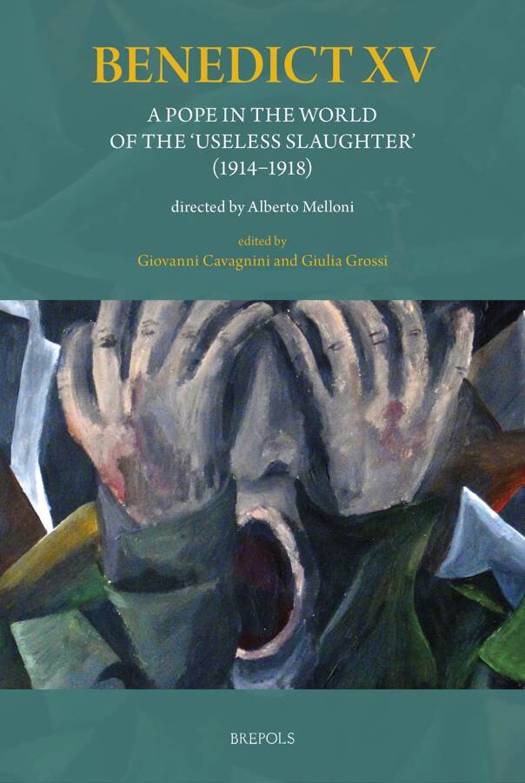
On August 1, 1917 - three years after the outbreak of WW1 - pope Benedict XV signed his famous peace note, urging the governments of the belligerent Powers to seek a diplomatic solution to their disputes and stop the "useless massacre". In order to commemorate the event and to define the place of this "forgotten pope" in twentieth-century history, on November 3-5, 2016, the Fondazione per le Scienze Religiose Giovanni XXIII (Fscire) hosted an international conference, entitled "Benedict XV in the world of the useless massacre", in which more than a hundred historians from all over the world participated. The aim of the initiative, supported by the Historical and Scientific Committee for Italy's National Anniversaries, is to shed light on the key issues of this pontificate, from Giacomo Della Chiesa's education in the theological seminary in Genua to his heritage and memory all along the twentieth century. The volume resulting from this conference provides a comprehensive and systematic reference work about a key figure in Church history that has all too often been neglected.
Specificaties
Betrokkenen
- Auteur(s):
- Uitgeverij:
Inhoud
- Aantal bladzijden:
- 1708
- Taal:
- Engels
- Reeks:
Eigenschappen
- Productcode (EAN):
- 9782503582894
- Verschijningsdatum:
- 7/01/2021
- Uitvoering:
- Hardcover
- Formaat:
- Genaaid
- Afmetingen:
- 156 mm x 234 mm
- Gewicht:
- 498 g


Alleen bij Standaard Boekhandel
+ 392 punten op je klantenkaart van Standaard Boekhandel
CADEAU

AANGERADEN


Beoordelingen
We publiceren alleen reviews die voldoen aan de voorwaarden voor reviews. Bekijk onze voorwaarden voor reviews.