



Bedankt voor het vertrouwen het afgelopen jaar! Om jou te bedanken bieden we GRATIS verzending (in België) aan op alles gedurende de hele maand januari.
- Afhalen na 1 uur in een winkel met voorraad
- In januari gratis thuislevering in België
- Ruim aanbod met 7 miljoen producten
Bedankt voor het vertrouwen het afgelopen jaar! Om jou te bedanken bieden we GRATIS verzending (in België) aan op alles gedurende de hele maand januari.
- Afhalen na 1 uur in een winkel met voorraad
- In januari gratis thuislevering in België
- Ruim aanbod met 7 miljoen producten





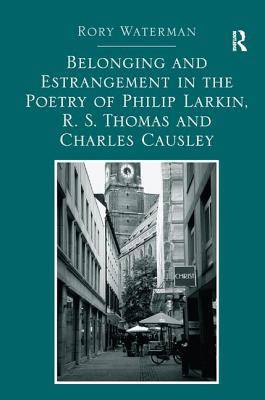
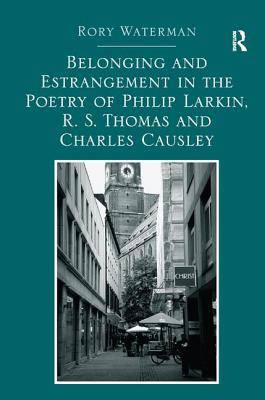
Belonging and Estrangement in the Poetry of Philip Larkin, R.S. Thomas and Charles Causley
Rory Waterman
Hardcover | Engels
€ 190,95
+ 381 punten
Omschrijving
Focusing on the significance of place, connection and relationship in three poets who are seldom considered in conjunction, Rory Waterman argues that Philip Larkin, R.S. Thomas and Charles Causley epitomize many of the emotional and societal shifts and mores of their age. Waterman looks at the foundations underpinning their poetry; the attempts of all three to forge a sense of belonging with or separateness from their readers; the poets' varying responses to their geographical and cultural origins; the belonging and estrangement that inheres in relationships, including marriage; the forced estrangements of war; the antagonism between social belonging and a need for isolation; and, finally, the charged issues of faith and mortality in an increasingly secularized country.
Specificaties
Betrokkenen
- Auteur(s):
- Uitgeverij:
Inhoud
- Aantal bladzijden:
- 224
- Taal:
- Engels
Eigenschappen
- Productcode (EAN):
- 9781409470878
- Verschijningsdatum:
- 4/02/2014
- Uitvoering:
- Hardcover
- Formaat:
- Genaaid
- Afmetingen:
- 156 mm x 234 mm
- Gewicht:
- 489 g


Alleen bij Standaard Boekhandel
+ 381 punten op je klantenkaart van Standaard Boekhandel
SOLDEN


Beoordelingen
We publiceren alleen reviews die voldoen aan de voorwaarden voor reviews. Bekijk onze voorwaarden voor reviews.