


- Afhalen na 1 uur in een winkel met voorraad
- Gratis thuislevering in België vanaf € 30
- Ruim aanbod met 7 miljoen producten
- Afhalen na 1 uur in een winkel met voorraad
- Gratis thuislevering in België vanaf € 30
- Ruim aanbod met 7 miljoen producten





€ 183,45
+ 366 punten
Uitvoering
Omschrijving
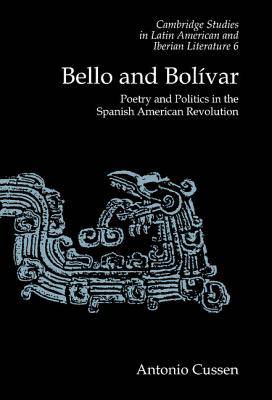
In June 1810, the Venezuelans, fearful of French aggression, sent a diplomatic mission to London in search of an ally. The mission was headed by Símon Bolívar; the secretary was Andres Bello. Bello remained in London through the Spanish American Revolution and became one of the most accomplished members of the Spanish-speaking intelligentsia. In this book, Antonio Cussen reconstructs Andres Bello's account of the Revolution. The official history of the Revolution, the heroic history of Bolívar, is replaced by the account of a poet, who was first Bolívar's teacher, and later his critic. Through a detailed study of the manuscripts of Bello's unfinished poem "América" the author argues that Bello recorded the disintegration of the Augustan model of power and culture and intimated the inevitable approach of liberalism with a certain longing for the classical culture of his youth.
Specificaties
Betrokkenen
- Auteur(s):
- Uitgeverij:
Inhoud
- Aantal bladzijden:
- 224
- Taal:
- Engels
- Reeks:
- Reeksnummer:
- nr. 6
Eigenschappen
- Productcode (EAN):
- 9780521412483
- Verschijningsdatum:
- 7/05/1992
- Uitvoering:
- Hardcover
- Formaat:
- Genaaid
- Afmetingen:
- 152 mm x 229 mm
- Gewicht:
- 498 g


Alleen bij Standaard Boekhandel
+ 366 punten op je klantenkaart van Standaard Boekhandel
Cadeau

AANGERADEN


Beoordelingen
We publiceren alleen reviews die voldoen aan de voorwaarden voor reviews. Bekijk onze voorwaarden voor reviews.